Energy – Iran Tightens Control Over Strait of Hormuz Amid US Standoff
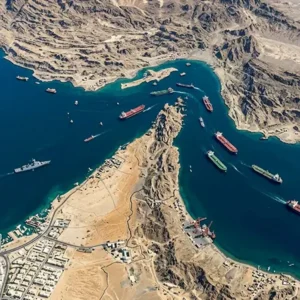
Energy – Iran has once again imposed strict controls over the Strait of Hormuz, reversing its earlier decision to reopen the key maritime route. The move comes just a day after US President Donald Trump declaredthat American naval forces would maintain their blockade at full strength, intensifying an already fragile situation in the region.
Iran Cites Broken Commitments by Washington
In an official statement, Iran’s military leadership accused the United States of failing to honor assurances regarding safe passage for vessels linked to Iranian ports. According to the statement, restrictions would remain in place until all ships traveling to and from Iran are granted unrestricted movement.
Officials in Tehran emphasized that the responsibility for the renewed controls lies with Washington’s continued naval presence. They indicated that without a shift in US policy, the strait would remain under tight supervision by Iranian forces.
Sudden Policy Shift After Brief Reopening
The latest development marks a sharp turnaround from Iran’s announcement just a day earlier. On Friday, authorities had declared the waterway open following a ceasefire in Lebanon that brought an end to hostilities between Israel and Hezbollah.
However, by Saturday morning, Iranian state television reported that control measures had been reinstated. Citing the military’s central command, the report stated that the strait had returned to its previous operational status, with armed forces overseeing all activity. The continued US blockade was identified as the primary reason behind the reversal.
US Maintains Pressure Despite Reopening
President Trump made it clear that the US would not ease its naval operations despite Iran’s earlier move to reopen the passage. He stated that the blockade would remain fully active until Tehran agrees to broader negotiations, particularly concerning its nuclear program.
The firm stance from Washington has added to tensions in the region, as both sides appear unwilling to make concessions. Analysts suggest that the standoff could prolong uncertainty in global shipping and energy markets.
Strategic Importance of the Strait
The Strait of Hormuz is one of the most critical maritime routes in the world, serving as a gateway for nearly 20 percent of global oil supplies. Any disruption in this narrow passage has immediate consequences for international energy prices and supply chains.
Over the past two months, partial closures linked to the ongoing conflict have already caused fluctuations in crude oil markets. Several countries dependent on Gulf oil have faced logistical challenges, highlighting the strait’s vital role in global trade.
Airspace Partially Reopens for Transit Flights
In a separate development, Iran announced a partial reopening of its airspace. The country’s Civil Aviation Authority confirmed that international flights can now pass through the eastern portion of Iranian territory.
Authorities also stated that select airports resumed operations early Saturday morning, allowing limited aviation activity to restart. This move is seen as a cautious step toward restoring normalcy in certain sectors despite ongoing tensions.
Human Cost of the Ongoing Conflict
The broader conflict, which began with coordinated strikes by the United States and Israel on February 28, has resulted in significant casualties across multiple regions. Reports indicate that at least 3,000 people have lost their lives in Iran, while Lebanon has recorded over 2,290 deaths.
In Israel, 23 fatalities have been confirmed, and more than a dozen people have been killed in Gulf Arab states. Additionally, thirteen US service members have died during the course of the conflict.
As diplomatic efforts remain stalled, the situation continues to evolve with serious implications for regional stability and global energy security.