Diplomacy – Pakistan Steps Up Efforts to Revive US-Iran Peace Talks
Diplomacy – Pakistan has intensified its diplomatic outreach as it seeks to bring the United States and Iran back to the negotiating table following stalled talks earlier this week.
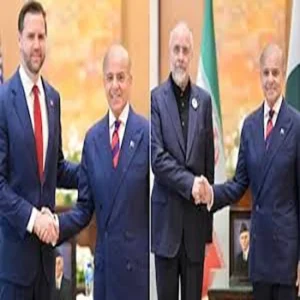
Pakistan’s army chief, Field Marshal Asim Munir, arrived in Tehran accompanied by a senior delegation, marking a renewed push to ease tensions between Washington and Tehran. The visit comes shortly after negotiations held in Islamabad ended without a breakthrough, despite initial optimism surrounding a possible agreement.
High-Level Visit Signals Renewed Engagement
According to an official statement from Pakistan’s military, the visit is part of ongoing mediation efforts aimed at bridging differences between the two sides. Munir was joined by Interior Minister Mohsin Naqvi, and both leaders were received by Iran’s Foreign Minister Abbas Araghchi upon arrival in the Iranian capital.
The visit highlights Pakistan’s growing diplomatic role in facilitating dialogue between key global players. Over recent weeks, Islamabad has positioned itself as a crucial intermediary, leveraging its relationships across multiple regions to encourage dialogue and reduce hostilities.
Pakistan’s Expanding Role in Regional Stability
Pakistan’s involvement in the mediation process has gained recognition from both sides. The country has maintained close ties with several influential nations, including those in the Gulf region, as well as major global powers. This network has enabled it to act as a communication bridge between parties that otherwise have limited direct engagement.
Officials familiar with the process say Pakistan has played a vital role in keeping channels of communication open, even after formal talks encountered setbacks. Its efforts have been seen as instrumental in preventing further escalation following weeks of conflict that disrupted energy markets and raised concerns about global economic stability.
Ceasefire Holds, but Challenges Remain
Although a temporary ceasefire between the United States and Iran remains in place, it is expected to expire soon, increasing urgency for a negotiated settlement. Both sides have acknowledged Pakistan’s role in sustaining dialogue during this critical period.
Iranian officials confirmed that communication between Tehran and Washington has continued through Pakistan since the breakdown of talks. Messages have reportedly been exchanged regularly, indicating that diplomatic engagement has not entirely ceased.
On the American side, officials have also expressed appreciation for Islamabad’s efforts. They emphasized the importance of maintaining a structured communication channel to support ongoing negotiations and reduce misunderstandings.
Key Disagreements Stall Progress
Despite diplomatic progress, several major issues continue to hinder a final agreement. One of the central points of contention remains Iran’s uranium enrichment program. Tehran has consistently maintained its right to pursue nuclear energy for peaceful purposes, though it has indicated some willingness to discuss limits on enrichment levels.
Another significant issue involves the Strait of Hormuz, a critical maritime route for global oil shipments. Iran has reportedly suggested measures to ensure safe passage for vessels under certain conditions, but details remain under negotiation.
Additionally, broader regional tensions, including ongoing conflicts involving allied nations, have complicated the talks. These overlapping concerns have made it difficult for both sides to reach a comprehensive agreement.
Next Steps in Negotiations
Diplomatic sources suggest that another round of talks may soon be scheduled, with Islamabad again likely to host discussions. There is cautious optimism that continued engagement could lead to progress, particularly if both sides show flexibility on key issues.
For now, Pakistan’s mediation efforts remain central to the process, with its leadership continuing to engage stakeholders in pursuit of a peaceful resolution. As the ceasefire deadline approaches, the coming days are expected to be critical in determining whether negotiations can move forward successfully.