Diplomacy – Iran Says Peace Deal Was Close Before Talks Collapsed
Diplomacy – Iran has stated that it was on the verge of reaching a significant agreement with the United States before negotiations in Islamabad unexpectedly broke down over the weekend.
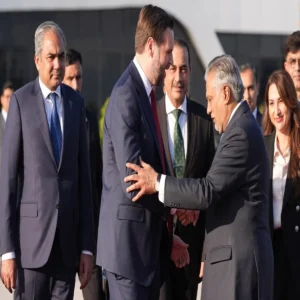
Talks Collapse Despite Advanced Negotiations
Iran’s Foreign Minister Abbas Araghchi revealed that discussions between Tehran and Washington had progressed to an advanced stage, with both sides nearing what he described as a potential memorandum of understanding. According to him, the negotiations represented one of the most intensive engagements between the two countries in nearly five decades.
However, Araghchi alleged that the process faltered due to what he termed changing demands and rigid positions from the US side. He indicated that Iran had approached the talks with sincerity, aiming to bring an end to ongoing tensions, but ultimately faced obstacles that prevented a final agreement.
In a public statement, he suggested that goodwill in diplomacy must be met with a similar response, warning that hostility could lead to further escalation rather than resolution.
Iran Signals Willingness for Future Agreement
Iranian President Masoud Pezeshkian echoed a similar sentiment, stressing that a diplomatic breakthrough remains achievable if mutual respect forms the basis of future discussions. He emphasized that Iran’s rights must be acknowledged and that any progress would depend on a shift in approach from Washington.
The president also praised members of Iran’s negotiating team for their efforts during the Islamabad meetings, highlighting their role in keeping dialogue channels open despite the setbacks. His remarks suggested that Tehran is not closing the door entirely on future engagement, but expects a different framework for negotiations moving forward.
US Threatens Maritime Blockade
The breakdown in talks came alongside rising tensions, as US President Donald Trump warned of a possible naval blockade targeting Iranian maritime routes. The US Central Command later confirmed that it would begin enforcing restrictions on Iranian ports, with the operation set to affect vessels entering or leaving key waterways.
According to official statements, the blockade would apply broadly but would still allow ships traveling between non-Iranian ports to pass through strategic routes such as the Strait of Hormuz. The move is widely seen as an attempt to increase pressure on Tehran amid stalled diplomacy.
Iran Responds Firmly to US Warnings
Iranian officials responded strongly to the proposed blockade. Parliamentary Speaker Mohammad Baqer Qalibaf stated that such measures would not weaken the country’s resolve. While acknowledging that dialogue had made some progress, he maintained that Iran would not yield to threats.
He indicated that Iran had presented constructive proposals during the negotiations, which contributed to forward movement in discussions. At the same time, he warned that any aggressive action would be met with a proportional response, underscoring Tehran’s readiness to defend its interests.
Uncertain Path Ahead for Diplomacy
The developments highlight the fragile nature of ongoing efforts to ease tensions between the two countries. While both sides have indicated that negotiations had reached a critical stage, the sudden collapse of talks underscores deep-rooted differences that remain unresolved.
Analysts suggest that the coming weeks will be crucial in determining whether diplomatic channels can be revived or if tensions will continue to escalate. With strong rhetoric emerging from both sides and new measures being announced, the possibility of renewed negotiations remains uncertain but not entirely out of reach.
For now, the situation reflects a complex balance between confrontation and cautious optimism, with both nations signaling readiness for either path depending on how future engagements unfol