Diplomacy – US Envoys Travel to Pakistan for Renewed Iran Talks
Diplomacy – After several days of deadlock, the United States has announced that two senior figures, Steve Witkoff and Jared Kushner, will travel to Pakistan on Saturday to resume discussions involving Iran. The development signals a cautious attempt to revive diplomatic engagement following stalled negotiations earlier this month.
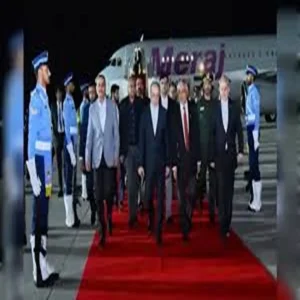
Fresh Effort to Restart Dialogue
Speaking on Friday, White House Press Secretary Karoline Leavitt confirmed that the two officials would meet representatives linked to the Iranian delegation. According to her statement, the outreach for this meeting came from Tehran itself, following earlier calls by the US president for renewed dialogue.
Leavitt noted that while additional officials remain prepared to travel if required, the immediate task rests with Witkoff and Kushner. Their findings will be relayed directly to the US leadership, including the president and vice president, before any further steps are decided.
Background of Earlier Negotiations
The upcoming visit follows an initial round of talks held in Pakistan on April 11 and 12, where both Witkoff, serving as Special Envoy to the Middle East, and Kushner played key roles. Those discussions, however, failed to produce a breakthrough, largely due to persistent disagreements between the two sides.
Notably, several senior figures who were present in the first round will not attend the second phase. US Vice President JD Vance and Iranian parliamentary speaker Mohammad Bagher Ghalibaf, who led Tehran’s negotiating team earlier, are both expected to be absent this time.
Iran’s Parallel Diplomatic Outreach
At the same time, Iran’s Foreign Minister Abbas Araghchi has embarked on a regional tour that includes visits to Pakistan, Oman, and Russia. In a public statement, he described the trip as timely and focused on strengthening bilateral ties while also addressing broader regional concerns.
Araghchi emphasized the importance of coordination with neighboring countries, suggesting that Tehran is seeking to build consensus and reinforce its diplomatic position alongside the ongoing talks.
Key Points of Disagreement
Despite renewed contact, major differences remain unresolved. Iran has previously insisted that it will not engage in negotiations unless the United States lifts restrictions affecting the Strait of Hormuz. On the other hand, Washington has maintained that any agreement must include clear and verifiable commitments from Tehran to halt its nuclear program and ease its own restrictions in the region.
These competing demands have been central to the impasse, with neither side showing clear willingness to concede ground so far.
US Position Signals Patience
At a Pentagon briefing, US Defense Secretary Pete Hegseth indicated that the administration is not under pressure to secure a quick deal. He reiterated that the US leadership believes it has sufficient time and is not approaching the negotiations with urgency.
However, he also suggested that Iran has an opportunity to reach a constructive agreement if it chooses to engage meaningfully. The remarks underline Washington’s stance of cautious patience while leaving the door open for progress.
What Lies Ahead
The visit to Pakistan is expected to serve as a preliminary step rather than a decisive round of negotiations. Observers see it as an effort to assess the current position of all parties and determine whether conditions are favorable for more substantive talks in the near future.
While the absence of key figures may limit immediate outcomes, the renewed engagement itself points to a willingness on both sides to keep diplomatic channels open. Whether this leads to tangible progress will depend largely on how both nations address their core differences in the coming days.