Negotiations – Trump May Join Iran Talks in Islamabad Amid Tensions
Negotiations – A fresh round of diplomatic engagement between the United States and Iran is expected to take place in Islamabad this week, with indications that former US President Donald Trump could participate either physically or through a virtual platform if a breakthrough agreement is reached. According to sources familiar with the matter, preparations are progressing, and discussions remain scheduled as planned.
Ceasefire Nears Expiry as Talks Gain Urgency
The timing of the proposed talks is critical, as a temporary ceasefire between Washington and Tehran is due to end on Wednesday. Officials from the US side have indicated that extending this pause in hostilities appears unlikely. This has added urgency to the negotiations, with both sides under pressure to find common ground before tensions escalate again.
Iran Signals Openness Despite Recent Frictions
Although Iran had earlier hinted at skipping the discussions, recent developments suggest a shift in tone. A senior Iranian official reportedly stated that Tehran is now reviewing the possibility of attending the talks. However, no final decision has been confirmed. This reconsideration comes even after a recent maritime incident in which the United States seized an Iranian-flagged vessel near the Strait of Hormuz, raising concerns about further escalation.
Key Differences Continue to Shape Negotiations
Despite cautious optimism, several major disagreements remain unresolved. Washington is seeking assurances that Iran will not advance its nuclear capabilities, particularly in ways that could lead to weapon development. Additionally, US leadership aims to stabilise global oil markets and prevent economic disruptions linked to rising tensions in the region.
On the other hand, Iran is expected to use its strategic position near the Strait of Hormuz as leverage in negotiations. Tehran’s primary objective is to secure relief from economic sanctions while maintaining its existing nuclear programme. This divergence in priorities continues to complicate efforts toward a comprehensive agreement.
Escalatory Warnings Add to Uncertainty
Recent statements from both sides have added a layer of uncertainty to the diplomatic process. Trump has issued strong warnings, suggesting that critical infrastructure in Iran could be targeted if negotiations fail. In response, Iranian authorities have indicated that any such actions would trigger retaliatory strikes, potentially affecting infrastructure in neighbouring Gulf countries. These exchanges highlight the fragile nature of the current situation.
Pakistan Prepares to Host High-Stakes Dialogue
Pakistan has taken on a central role as a mediator, facilitating communication between the two nations. Authorities in Islamabad have made extensive security arrangements ahead of the talks, deploying approximately 20,000 personnel across the city. These measures reflect both the importance of the meeting and concerns about potential disruptions.
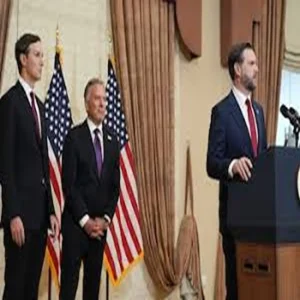
Meanwhile, reports suggest that US Vice President JD Vance is expected to arrive in Pakistan ahead of the discussions, underscoring the significance Washington attaches to the outcome.
Outlook Remains Uncertain but Crucial
As the deadline for the ceasefire approaches, the proposed talks represent a critical opportunity to prevent renewed conflict. While both sides appear willing to engage, the path to an agreement remains complex. Observers note that even limited progress could help ease tensions and stabilise the region, though a comprehensive resolution may require sustained efforts beyond this round of dialogue.