Oil – Strait of Hormuz Disruption May Last Months After Conflict Ends
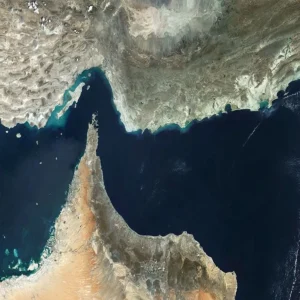
Oil – Even if hostilities between the United States, Israel, and Iran were to cease immediately, the Strait of Hormuz—one of the world’s most vital maritime routes—may remain partially inoperative for months. A recent assessment suggests that restoring full functionality could take a significant amount of time due to extensive underwater hazards, particularly naval mines.
Clearance Operations Could Take Months
According to officials familiar with recent briefings, it may take at least six months to completely remove explosive devices from the seabed in the Strait of Hormuz. These estimates were reportedly shared with lawmakers during a confidential session earlier this week. The delay is largely attributed to the complexity of mine-clearing operations, which are unlikely to begin in full scale until military tensions in the region subside.
The process of clearing naval mines involves locating each device, neutralizing it safely, and then removing it from the water. This is a time-consuming and technically demanding task, especially in a heavily trafficked and strategically sensitive waterway.
Economic Impact on Global Energy Markets
The Strait of Hormuz plays a crucial role in global energy trade, handling nearly 20 percent of the world’s oil supply during normal conditions. Any prolonged disruption could lead to sustained volatility in energy prices and supply chains, affecting economies worldwide.
Asian countries such as China and India are particularly dependent on energy shipments passing through this corridor. A continued slowdown or closure could force these nations to seek alternative, and often more expensive, supply routes.
Reports on Mine Deployment Raise Concerns
Officials have indicated that Iran may have deployed at least 20 naval mines in and around the strait. Some of these devices were reportedly placed using small vessels, while others were released using GPS-guided systems, making them harder to detect and track.
There have also been claims that Iran itself may face difficulties in locating and removing these mines, further complicating the situation. Limited technical capability and the scattered placement of explosives have added to the uncertainty surrounding safe navigation in the region.
Military Activity and Strategic Measures
Earlier this month, the US military announced initial steps toward preparing mine-clearing operations. Naval forces, including guided-missile destroyers, have been conducting preliminary activities aimed at ensuring safe passage in the future.
However, full-scale clearance efforts are expected to depend heavily on the broader geopolitical situation. Active conflict conditions pose risks not only to military personnel but also to commercial shipping operations attempting to resume normal routes.
Political Ramifications in the United States
The ongoing situation has also created political ripples in the United States. With midterm elections approaching, public opinion appears divided over the decision to engage in military action against Iran. Recent surveys suggest that a significant portion of the population is critical of the move.
The issue has also exposed divisions within the ruling political base, particularly among supporters who had favored a focus on domestic priorities over international conflicts. The prolonged disruption of a key global trade route adds another layer of complexity to the political landscape.
Conflicting Statements from Officials
While reports about the scale of the disruption and mine presence have circulated widely, official responses have varied. Some authorities have dismissed certain claims as inaccurate, highlighting the challenges of verifying information during an ongoing conflict.
Despite these disagreements, there is broad acknowledgment that the Strait of Hormuz will remain a critical point of concern in both economic and strategic discussions in the coming months.
A Persistent Global Flashpoint
The closure and restricted movement in the Strait of Hormuz have become a central issue in the broader standoff between Washington and Tehran. Both sides continue to use control over the waterway as leverage in negotiations, making it a key factor in any potential resolution.
As the situation evolves, the timeline for restoring normal operations remains uncertain, with global markets and political systems closely watching developments in this crucial maritime corridor.