Diplomacy – India Considered for Key Mediation Role in Middle East Crisis
Diplomacy – India may soon emerge as a significant diplomatic voice in efforts to ease tensions involving Iran, the United States, and several Gulf nations, following remarks made by Russian Foreign Minister Sergey Lavrov during his recent visit to New Delhi.
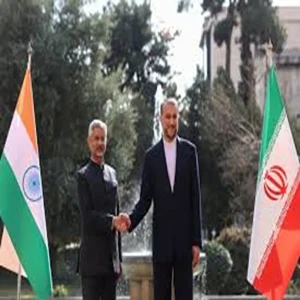
Russia has indicated that India could play an important part in reducing tensions in the Middle East, highlighting New Delhi’s longstanding diplomatic credibility and balanced international relationships. Speaking during the BRICS foreign ministers’ meeting in India, Sergey Lavrov suggested that India’s global standing and strategic ties with countries across the region make it a suitable candidate for future mediation efforts.
Russia Highlights India’s Diplomatic Influence
Lavrov stated that India possesses the diplomatic maturity and international trust required to encourage dialogue between conflicting sides in the region. According to him, India’s position as the current BRICS chair further strengthens its ability to bring nations together at a sensitive time for global politics.
He noted that Pakistan was currently helping facilitate communication between Washington and Tehran on urgent matters. However, for broader and long-term discussions involving Iran and Arab countries, Russia believes India could take on a larger diplomatic responsibility.
The Russian minister’s comments came during Prime Minister Narendra Modi’s visit to the United Arab Emirates, adding further significance to the timing of the statement.
Concerns Grow Over Rising Middle East Tensions
Lavrov’s visit to India took place against the backdrop of increasing uncertainty in the Middle East. Global attention remains focused on growing tensions between Iran and several regional powers, along with concerns over energy security and possible disruptions in oil markets.
The situation has become more sensitive due to the approaching expiry of certain US sanctions waivers linked to Russian and Iranian oil exports. Countries dependent on energy imports are closely monitoring developments, especially major consumers like India.
Russia argued that India has a direct interest in maintaining peace in the Gulf region because of its strong dependence on energy supplies from the area. Lavrov suggested that New Delhi could encourage diplomatic engagement between Iran and the UAE to prevent further escalation.
India’s Role as a Major Energy Consumer
During his remarks, Lavrov emphasized that India’s economic interests are closely connected to stability in the Middle East. He pointed out that India imports significant quantities of oil from the region and therefore has practical reasons to support peaceful negotiations.
According to him, India could use its leadership position within BRICS to invite regional players, including Iran and the United Arab Emirates, for discussions aimed at avoiding military confrontation and improving communication.
The Russian foreign minister stressed that diplomatic conversations remain the best option for reducing tensions before they grow into larger regional conflicts.
Russia Criticises Western Approach
Lavrov also accused the United States and Israel of contributing to rising hostility between Iran and Arab nations. He claimed that some international actors were encouraging divisions and increasing distrust within the region.
Russia maintained that its own efforts were focused on lowering tensions rather than intensifying them. Lavrov argued that diplomacy and constructive regional engagement were essential for long-term peace and stability.
He further stated that understanding the root causes behind regional disputes was necessary before any meaningful solution could be achieved. Moscow, he added, continues to support dialogue-based approaches aimed at preventing further conflict.
Focus on Diplomacy and Regional Cooperation
The remarks underline Russia’s attempt to position India as a stabilising force in international diplomacy, especially at a time when geopolitical tensions continue to affect global energy markets and regional security.
India has traditionally maintained balanced relations with countries across the Middle East, including Iran, the UAE, Saudi Arabia, and the United States. This diplomatic flexibility is being viewed by some global powers as an advantage in encouraging negotiations among rival nations.
While India has not officially responded to Russia’s proposal, the comments have drawn attention to New Delhi’s growing influence in global affairs and its expanding role in multilateral diplomacy.