LeadershipChange – Keir Starmer Announces Departure, UK Awaits New Prime Minister
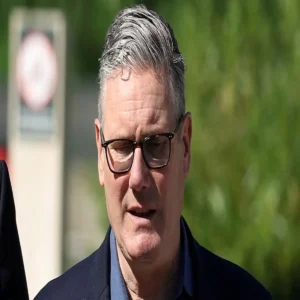
LeadershipChange – Britain is preparing for another change in leadership after Prime Minister Keir Starmer confirmed that he will step down as leader of the Labour Party, marking a significant moment in the country’s political landscape. Speaking outside 10 Downing Street, Starmer said he would continue serving as prime minister until a successor is chosen, ensuring a smooth transfer of responsibilities during the transition period.
Growing Pressure Within Labour
Starmer’s decision comes after months of increasing dissatisfaction within the Labour Party. Several party lawmakers had openly questioned his leadership and urged him to make way for a new direction. Although he had repeatedly stated that he intended to remain in office and confront the challenges facing his government, internal pressure continued to intensify.
The resignation follows a period of uncertainty in Westminster, with speculation over his future dominating political discussions. His departure now sets the stage for Britain to welcome its seventh prime minister in just ten years, highlighting the instability that has characterized recent UK politics.
Declining Public Support Raises Concerns
A major factor behind the leadership crisis has been Labour’s declining popularity since its decisive general election victory in July 2024. Party members have expressed concern over weakening public support and growing competition from rival political groups.
Labour strategists have reportedly been worried about losing progressive voters to the Green Party while also facing pressure from Reform UK, the anti-immigration party led by Nigel Farage. These developments have increased concerns about the party’s future electoral prospects.
Economic Challenges and Political Setbacks
Critics within the party have pointed to difficulties in delivering stronger economic growth and addressing rising living costs. Many voters continued to face financial pressures, while expectations for rapid improvements after Labour’s election victory remained largely unmet.
Starmer’s administration also faced criticism over several political decisions. One of the most controversial episodes involved the appointment of former MP Peter Mandelson as the UK ambassador to the United States. The move attracted scrutiny after renewed attention on Mandelson’s past associations generated negative headlines, creating additional challenges for the government.
Political observers argue that a combination of policy struggles, communication issues, and declining public confidence contributed to the pressure surrounding Starmer’s leadership.
International Role Earned Recognition
Despite domestic criticism, Starmer received praise in several areas of foreign policy. His government played an active role in strengthening European support for Ukraine amid the ongoing conflict with Russia. He was also credited with participating in diplomatic efforts aimed at reducing tensions connected to developments in the Middle East.
Supporters argue that these international initiatives demonstrated leadership on major global issues even as political difficulties mounted at home.
Race Begins to Replace Starmer
Attention has now shifted to the contest for Labour’s leadership and the country’s next prime minister. Among the names attracting significant attention is Andy Burnham, who recently secured a parliamentary seat after years of serving as Mayor of Greater Manchester.
Burnham has long been viewed as an influential figure within Labour and has been associated with calls for change inside the party. However, his path to becoming prime minister is far from guaranteed.
Former Health Secretary Wes Streeting is also considered a potential contender. Streeting has previously voiced concerns about the party’s direction and could emerge as a strong candidate if he enters the leadership race.
Another Early Exit in UK Politics
Starmer’s resignation continues a pattern of short-lived premierships in Britain. His departure comes nearly a decade after the Brexit referendum transformed the country’s political landscape.
Recent years have seen a rapid turnover of leaders, including Liz Truss, whose tenure lasted only weeks, followed by Rishi Sunak, Boris Johnson, Theresa May, and David Cameron. The latest transition reinforces ongoing questions about political stability and long-term leadership in the United Kingdom.