ConflictTalks – Trump Rejects Iran Proposal as Regional Tensions Rise
ConflictTalks – The standoff between the United States and Iran intensified again after US President Donald Trump dismissed Tehran’s latest proposal aimed at ending the prolonged regional conflict. The rejection has raised fresh concerns about instability in the Middle East, even as diplomatic efforts continue through international mediators.
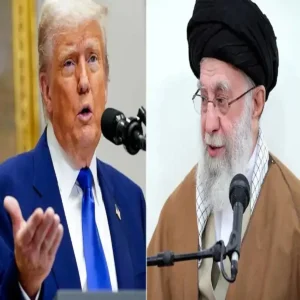
Trump described Iran’s response as “totally unacceptable” in a short statement posted on his Truth Social platform. Although the US president did not disclose the full contents of Tehran’s proposal, his remarks indicated that negotiations between the two sides remain deeply divided after months of military confrontation and political pressure.
Iran’s Conditions Draw Strong US Objection
According to reports published by The Wall Street Journal, Iranian officials suggested a framework involving their stockpile of highly enriched uranium. Under the proposal, part of the uranium would reportedly be diluted while the remaining quantity would be transferred to another country under international oversight.
However, Tehran also demanded guarantees that the transferred material would be returned if future negotiations collapsed or if Washington withdrew from any agreement. The proposal was reportedly delivered to the United States through Pakistani mediators involved in ongoing backchannel diplomacy.
Trump publicly rejected the response without discussing those details. The American president instead emphasized that Iran had suffered major military setbacks and claimed its nuclear capabilities were now under control.
Washington Signals Continued Surveillance
During an interview with journalist Sharyl Attkisson, Trump said the United States was maintaining close surveillance over Iran’s nuclear infrastructure and uranium reserves. He claimed American monitoring systems, including capabilities linked to the US Space Force, would quickly detect any movement near sensitive facilities.
The president also warned that any attempt to interfere with monitored nuclear sites could trigger a forceful American response. His comments reflected Washington’s continuing focus on Iran’s nuclear programme, which remains central to the wider conflict.
Tehran Rejects American Terms
Iranian officials responded sharply, accusing Washington of demanding conditions equivalent to surrender. Iranian state media reported that Tehran continues to insist on several major demands before accepting any settlement.
Those demands reportedly include the lifting of US sanctions, compensation for wartime damage, restoration of seized Iranian assets, and full authority over the Strait of Hormuz. Iranian leaders also warned they would retaliate against any new military strikes or foreign naval deployments in the region.
Iranian President Masoud Pezeshkian maintained a defiant tone in public remarks, saying negotiations should not be interpreted as weakness or retreat. State broadcaster IRIB also reported that Supreme Leader Mojtaba Khamenei had instructed military commanders to continue operations against what Iran described as hostile forces.
Israel Maintains Pressure Over Nuclear Issue
Israeli Prime Minister Benjamin Netanyahu also reinforced his government’s hardline stance, stating that the conflict would not truly end until Iran’s enriched uranium was removed and its nuclear facilities dismantled.
Speaking in an interview broadcast on CBS News’ “60 Minutes,” Netanyahu said military and political efforts would continue until Iran’s nuclear infrastructure was fully neutralized. He suggested that both Israel and the United States shared similar strategic goals regarding Tehran’s nuclear programme.
The Israeli leader’s comments underscored continuing coordination between Washington and Tel Aviv, despite ongoing international calls for de-escalation and renewed diplomacy.
Strait of Hormuz Remains Global Concern
The conflict has also intensified concerns over the Strait of Hormuz, one of the world’s most important energy shipping routes. Since the early phase of the war, Iran has tightened control measures in the area, contributing to rising oil prices and market uncertainty worldwide.
The United States Navy has meanwhile increased maritime operations around Iranian ports, including inspections and diversions involving commercial vessels. Britain and France are now leading discussions on forming an international coalition aimed at protecting shipping routes after any future ceasefire agreement.
The United Kingdom confirmed that defence ministers from more than 40 countries are expected to participate in talks this week regarding plans to secure maritime trade through the Strait of Hormuz.
Iran, however, warned that any foreign military deployment in the waterway would receive an immediate response. French President Emmanuel Macron later clarified that Paris was discussing a coordinated security approach rather than a direct naval intervention.