Hungary: Announces Partial Heating Cost Rebate as Winter Pressures Mount Before Election
Hungary: government has announced a temporary measure to offset soaring winter heating bills, pledging partial reimbursement for households in January as unusually cold weather drives up energy use. The plan, which will cost an estimated 50 billion forints, comes at a politically sensitive moment as the country heads toward a national election in April amid concerns over living costs and public finances.
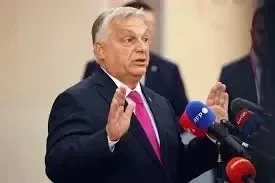
Government Moves to Ease Winter Energy Burden
Under the decision, households will receive financial relief to help cover higher heating expenses caused by increased demand during freezing temperatures. Officials said the measure is designed to protect families connected to the national energy network, particularly during the coldest weeks of winter. Energy Minister Csaba Lantos stated that the government aims to provide broad-based support to households receiving energy through pipeline systems.
The reimbursement program adds to a series of recent fiscal steps intended to cushion citizens from economic pressures, especially during periods of heightened seasonal demand.
Election Timing Adds Political Weight
Prime Minister Viktor Orban, who has led the country since 2010, is seeking another term in office when voters go to the polls in April. Recent surveys suggest his ruling Fidesz party is trailing the centre-right opposition movement Tisza, raising the stakes for policies that address household finances.
With inflation having eased significantly from peaks above 25 percent in early 2023 to within the central bank’s target range by the end of 2025, the government has increasingly shifted its focus toward targeted cost-of-living measures rather than broad inflation control.
Cost of Living Remains Top Public Concern
Despite the moderation in inflation, public anxiety over everyday expenses remains high. A Eurobarometer survey published in December found that the rising cost of living continues to rank as the most pressing domestic issue for Hungarian residents. Energy prices, particularly during winter months, remain a sensitive topic for households already managing tight budgets.
The government has framed the heating support as a response to these concerns, emphasizing short-term relief rather than permanent structural changes to energy pricing.
Details of the Discount Scheme
According to Gergely Gulyas, the prime minister’s chief of staff, the program will provide a 30 percent discount for household energy consumers. Funding will come partly from the state budget and partly from a special tax levied on energy suppliers.
The adjustment represents a modification of Hungary’s existing energy price subsidy system, which has been in place for several years. While the framework has helped shield consumers from market volatility, it has also drawn scrutiny for its fiscal cost.
EU Scrutiny and Energy Dependence
Hungary’s energy strategy has long relied heavily on imports from Russia, a position that has drawn criticism from several European Union and NATO partners, particularly since the start of the war in Ukraine. Budapest has largely maintained this approach, arguing it ensures stable and affordable supplies.
At the same time, the European Commission has encouraged Hungary to gradually phase out broad energy subsidies, citing concerns about market distortions and long-term budget sustainability.
Fiscal Impact and Market Concerns
Analysts warn that continued spending ahead of the election could place additional strain on public finances. Estimates from the European Commission suggest the energy subsidy system accounted for around one percent of economic output in 2024 and roughly half a percent the previous year.
Capital Economics has noted that such spending contributed to a negative outlook revision on Hungary’s sovereign debt by Fitch Ratings last year. Economist Nicholas Farr cautioned that forecasts for the budget deficit, currently projected to reach 5.5 percent of GDP, may underestimate the true fiscal impact if further support measures are introduced.
Balancing Relief and Budget Discipline
The heating cost rebate highlights the government’s challenge of balancing immediate household relief with longer-term fiscal discipline. As winter conditions persist and the election approaches, policymakers face growing pressure to support voters while reassuring markets and international partners about Hungary’s financial stability.