Last Maharani: The Fading Legacy of the Darbhanga Royal Estate and the Life of Its
Last Maharani: The passing of Maharani Kamsundari Devi marked the end of an era for one of India’s most influential royal families. Her death not only closed a long chapter of personal sacrifice and quiet endurance but also revived public interest in the historic Darbhanga royal estate, once counted among the wealthiest princely states in the country. Over time, the estate’s immense riches, social influence, and cultural legacy have steadily declined, leaving behind memories, disputes, and a much-diminished fortune.
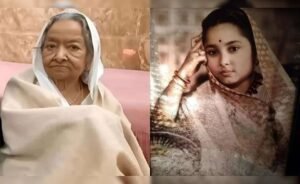
A Royal Family That Once Ruled Wealth and Influence
For much of the twentieth century, the Darbhanga royal family symbolized unmatched prosperity and prestige. The estate’s reach extended far beyond Bihar, with grand residences across major Indian cities, commonly referred to as Darbhanga House. These properties were not merely homes but markers of power, political access, and cultural authority. Landholdings, palaces, urban real estate, and commercial ventures placed the family among the richest elites of pre-independence India.
When the last ruler, Maharaja Kameshwar Singh, passed away in 1962, estimates placed the total value of the estate at nearly Rs 2,000 crore, a staggering amount for that era. Adjusted to present-day economic conditions, this valuation would run into several lakh crore rupees. The wealth was diversified across companies, gold reserves, real estate, agricultural land, and financial investments.
Decline After the End of Royal Rule
Following the Maharaja’s death, the estate came under the management of trustees rather than a direct royal successor. Over the decades, allegations of poor administration, legal battles, and internal conflicts began to surface. Without centralized leadership, assets were sold, neglected, or lost in litigation. What was once a carefully maintained empire slowly fragmented, reducing the estate to a fraction of its former stature.
Reports suggest that less than two percent of the original wealth remains today. While exact figures are difficult to verify, the general consensus is that mismanagement and prolonged disputes significantly eroded the estate’s financial base. This decline serves as a broader reflection of how many princely families struggled to adapt to post-independence legal and economic realities.
Patriotic Contributions During National Crisis
One of the most respected chapters in the Darbhanga family’s history is its contribution during the 1962 India–China war. At a time when the nation faced an acute shortage of resources, the royal family stepped forward with extraordinary support. They donated hundreds of kilograms of gold to the national exchequer, along with aircraft and large tracts of land.
The land donation later became the foundation for what is now Darbhanga Airport, a lasting public utility that continues to serve the region. Such acts cemented the family’s image as not only wealthy landlords but also committed contributors to national development.
Role in Education and Industrial Growth
Beyond wartime contributions, the Darbhanga estate played a major role in shaping educational and industrial infrastructure in eastern India. Several prominent universities and institutions benefited from generous financial grants and land donations. Lalit Narayan Mithila University stands within the former royal complex, reflecting the family’s long-standing commitment to education.
The estate also supported the growth of industries such as sugar manufacturing, paper production, textiles, and jute processing. These ventures provided employment to thousands and helped stimulate regional economic activity at a time when industrial development in Bihar and neighboring areas was limited.
Life of Maharani Kamsundari Devi
Maharani Kamsundari Devi lived a life marked by tradition, restraint, and prolonged widowhood. Married at a very young age, she became the third wife of Maharaja Kameshwar Singh and was widowed in 1962. For more than six decades, she remained a symbolic figure associated with the estate, largely staying away from public life while internal disputes unfolded around her.
Despite having no biological heirs, the Maharaja had established a trusteeship structure to manage the estate. Maharani Kamsundari Devi later appointed her elder daughter’s son, Kumar Kapileshwar, as a trustee and declared heir. However, disagreements over the legal framework of succession continue, keeping the estate entangled in court cases and administrative challenges.
Controversy After Her Death
Even after her passing, controversy followed. Disputes arose during her cremation, reflecting the unresolved tensions within the estate’s management and extended family. The situation required intervention from government officials and local authorities to ensure that her final rites were completed peacefully.
An Enduring but Diminished Legacy
The story of the Darbhanga royal estate is one of extraordinary rise and gradual decline. From immense wealth and national influence to legal battles and fading assets, the journey mirrors the broader transformation of India’s princely states in the modern era. Maharani Kamsundari Devi’s death stands as a poignant reminder of a royal legacy that once shaped regions, institutions, and history, but now survives largely in memory and records.