Energy – Possible Revival of India-Iran Oil Trade Amid War Disruptions
Energy – A fresh development in global energy markets suggests that India may temporarily resume crude oil imports from Iran, marking a notable shift after several years of halted trade. A tanker reportedly carrying around 600,000 barrels of Iranian crude is expected to arrive at a port in Gujarat on April 4, raising questions about a possible revival of energy ties between the two countries.
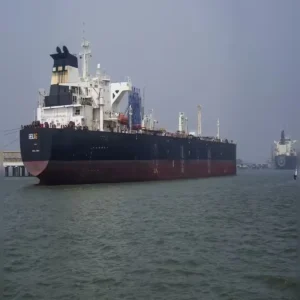
Tanker Movement Sparks Market Attention
Shipping data indicates that the vessel Ping Shun, sailing under the Eswatini flag, is currently en route from Iran’s Kharg Island to Vadinar in Gujarat. The destination is significant, as Vadinar houses a major refinery operated by Nayara Energy, which has links to Russian investments. The port also serves as a key distribution hub for transporting crude to inland refineries, including the Bina facility in Madhya Pradesh operated by Bharat Petroleum Corporation Limited.
However, uncertainty remains regarding the final destination of the cargo. Analysts note that vessels transporting sanctioned oil often alter their routes mid-journey to avoid scrutiny, making it difficult to confirm whether the shipment will indeed dock in India.
Strategic Shipment Amid Global Supply Strain
The cargo is believed to be part of a limited number of shipments allowed to pass through the Strait of Hormuz despite ongoing conflict. This crucial maritime route previously accounted for a significant share of global oil transport. If the tanker does reach Gujarat, it would mark India’s first import of Iranian crude since May 2019, when strict international sanctions effectively halted such trade.
The potential transaction appears to be facilitated by a temporary waiver reportedly granted by the United States. This waiver allows limited transactions involving Iranian oil already in transit, as global supply chains face disruptions due to the ongoing conflict in the region.
Refiners Face Inventory Pressure
Energy analysts suggest that Indian refiners are under pressure due to tightening crude inventories, largely driven by reduced exports from Gulf countries affected by the conflict. In this context, even a short-term resumption of Iranian imports could provide some relief.
The development also highlights the continuing importance of India-Iran relations, particularly at a time when Iran is seeking economic support to manage the impact of war-related damage and maintain its energy sector.
Payment Challenges Remain Unresolved
Despite the potential shipment, questions remain about how payments would be processed. Iran continues to be excluded from the global SWIFT banking system, complicating transactions in major currencies like the US dollar or euro.
In the past, India adopted a rupee-based payment mechanism, where funds were deposited in Indian banks and used by Iran to pay for imports such as food and pharmaceuticals. Whether a similar arrangement will be used again remains unclear.
A Look Back at Pre-Sanction Trade
Before sanctions intensified, Iran was a key supplier of crude oil to India. In 2008, it accounted for more than 16 percent of India’s total crude imports. Although this share declined over time due to increasing restrictions, trade saw a resurgence following the 2015 nuclear agreement.
By 2017, Iran had become one of India’s top crude suppliers, with substantial daily imports. However, the situation changed again after the United States withdrew from the nuclear deal in 2018, leading to renewed sanctions and a complete halt in imports by mid-2019.
Future Possibilities in a Volatile Market
The current waiver applies only to oil that had already been loaded before the restrictions were imposed. Estimates suggest that around 95 million barrels of Iranian crude are currently at sea, with a significant portion potentially available to countries like India.
Iranian crude continues to attract buyers due to its compatibility with many Asian refineries and its competitive pricing. Typically sold at a discount compared to global benchmarks, it offers cost advantages, especially during periods of high oil prices.
While it remains uncertain whether this shipment will mark a sustained revival of trade, it underscores how geopolitical developments can quickly reshape global energy dynamics.