US : Raises Concerns Over Europe’s India Trade Pact and Russian Oil Links
US: The United States has cautioned that Europe’s expanding trade relationship with India may be undercutting efforts to pressure Moscow over the war in Ukraine. Washington argues that by purchasing refined fuel products linked to Russian crude, European countries are indirectly sustaining Russia’s wartime revenues, even as they move away from direct energy imports from Moscow.
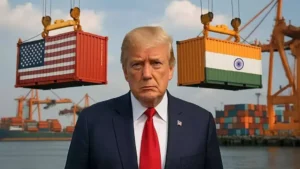
US Criticism of Europe’s Energy Trade Practices
Speaking on American television, US Treasury Secretary Scott Bessent said Europe had largely reduced its direct reliance on Russian energy but continued to benefit from what he described as a significant loophole. According to Bessent, Russian crude is being shipped to India, refined there, and then sold onward to European buyers. He suggested that this flow weakens the collective impact of sanctions designed to constrain Russia’s energy income.
Bessent framed the issue as a mismatch in burden-sharing between Washington and its allies. He maintained that the United States has taken more decisive steps to disrupt Russia’s energy trade, while European economies continue to gain access to fuel products that originate from Russian oil, albeit indirectly.
Tariffs and the US Approach to India
As part of its strategy, the US administration has imposed steep tariffs on Indian exports, which officials say are partly intended to discourage New Delhi’s purchases of Russian oil. These measures include a total tariff rate of 50 percent on certain goods, with half of that specifically linked to India’s energy trade with Moscow.
Bessent said the tariffs were meant to signal that continued engagement with Russian oil markets carries economic consequences. He contrasted this approach with Europe’s recent trade decisions, arguing that Washington’s actions involve greater economic sacrifice.
Comments on the Russia-Ukraine Conflict
The Treasury secretary also pointed to diplomatic efforts by US President Donald Trump to seek an end to the conflict in Ukraine. He said the administration believes sustained pressure on Russia’s energy revenues is central to bringing about a negotiated settlement.
In remarks aired on ABC News, Bessent criticised the timing of Europe’s trade agreement with India, noting that it came shortly after the US announced penalties tied to Indian purchases of Russian oil. He reiterated his view that European buyers of Indian-refined fuel were, in effect, helping to fund a conflict that poses direct security risks to the continent itself.
India and Europe Finalise Trade Agreement
The comments coincided with news that India and the European Union have completed negotiations on a long-awaited free trade agreement. The deal, which has been under discussion since 2007, is expected to be formally unveiled this week and is intended to strengthen economic ties at a time of growing uncertainty in global trade.
Officials on both sides have described the agreement as comprehensive, covering goods, services, investment, and regulatory cooperation. The pact is seen as a strategic move to deepen engagement between two of the world’s largest markets, particularly as companies seek to diversify supply chains away from more volatile regions.
European Perspective and Political Significance
European Commission President Ursula von der Leyen, who is visiting India and attended the country’s Republic Day celebrations as a guest of honour, has spoken enthusiastically about the agreement. She has referred to it as the “mother of all trade deals,” highlighting its scale and long-term economic potential.
From the European standpoint, the agreement is aimed at boosting growth, expanding market access, and reinforcing political ties with a key Indo-Pacific partner. EU officials have consistently maintained that their sanctions regime against Russia remains robust and that purchases of refined products comply with existing rules.
Ongoing Debate Among Allies
The dispute underscores continuing tensions among Western allies over how best to balance economic interests with geopolitical objectives. While the US is pressing for stricter enforcement to close perceived gaps in the sanctions framework, Europe appears focused on safeguarding energy supplies and strengthening trade partnerships.
As the India-EU agreement moves toward formal adoption, the debate over indirect energy trade and its implications for the Ukraine war is likely to remain a point of contention in transatlantic relations.