NuclearTalks – US and Iran Move Closer to Temporary Peace Framework
NuclearTalks – The United States and Iran appear to be moving toward a temporary diplomatic framework that could reduce tensions in the Middle East after months of uncertainty and military escalation.
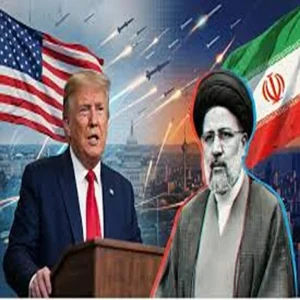
US President Donald Trump has expressed confidence that a breakthrough with Tehran may still be achievable, even as he warned that military action could resume if negotiations fail. His remarks came as reports emerged about a short-form memorandum designed to open the path for broader nuclear and security discussions between the two countries.
Draft Framework Signals Diplomatic Progress
According to reports from Reuters and Axios, officials involved in the discussions are working on a concise 14-point framework intended to pause hostilities and create conditions for extended negotiations. Sources familiar with the matter said the proposed document represents the closest Washington and Tehran have come to an understanding since tensions sharply escalated earlier this year.
Iran has not yet issued a formal response to the proposal. However, senior Iranian officials have indicated that any agreement must protect the country’s interests and sovereignty. Iranian Foreign Minister Abbas Araghchi stated that Tehran would only support what he described as a “fair and comprehensive” arrangement.
Negotiators are reportedly waiting for Iran’s position on several critical points expected to be clarified within the next two days.
Key Conditions Included in the Proposal
The proposed memorandum is said to focus on temporary confidence-building measures rather than a permanent treaty. Under the reported framework, Iran would suspend uranium enrichment activities for a specified period, while the United States would gradually ease sanctions and release frozen Iranian assets held overseas.
Another important element reportedly under discussion involves maritime transit through the Strait of Hormuz, a vital global shipping route. Both countries could agree to reduce restrictions affecting commercial movement in the region.
The document would also establish a 30-day negotiation window aimed at developing a more detailed and lasting agreement. Discussions for the next phase could reportedly take place in either Islamabad or Geneva.
Nuclear Restrictions Remain Central Issue
One of the most sensitive topics in the negotiations continues to be the duration of limits on Iran’s nuclear enrichment programme. Reports suggest American officials are seeking restrictions lasting between 12 and 15 years, while Iran had earlier proposed a significantly shorter timeline.
The framework may also include provisions allowing international inspections of Iranian nuclear facilities, including rapid-access inspections conducted by United Nations inspectors. In addition, Iran would reportedly pledge not to pursue nuclear weapons development or related military activities.
Another unresolved issue involves Iran’s stockpile of highly enriched uranium. Sources cited in international reports said Washington wants the material removed from Iran, though Tehran has previously opposed that demand.
Trump Administration Maintains Pressure
While speaking to reporters, Trump said negotiations over the last 24 hours had been productive and suggested that a settlement remained possible if Iran accepted the proposed conditions. He also warned that military operations could restart with greater force if talks collapse.
US Secretary of State Marco Rubio described the negotiations as technically complex and said a complete agreement would require additional time and detailed discussions.
At the same time, some officials within the Trump administration reportedly remain uncertain about whether Iran’s political leadership can unite behind a final deal. Reports indicate concerns in Washington about divisions between moderate and hardline factions inside the Iranian establishment.
Iran Reviews Proposal Carefully
Iranian Foreign Ministry spokesperson Esmaeil Baqaei confirmed that Tehran is still evaluating the American proposal before communicating its official response through mediators.
Meanwhile, Iranian parliament speaker Mohammad Bagher Ghalibaf accused the United States of attempting to pressure Iran through economic restrictions and regional military tactics aimed at weakening national unity.
Although the proposed memorandum could reduce immediate tensions, several major disagreements remain unresolved. Analysts believe the coming days will determine whether the framework becomes the foundation for a broader diplomatic settlement or merely a temporary pause in a continuing conflict