Geopolitics – Pakistan Economy Strained as US-Iran Conflict Raises Oil Costs
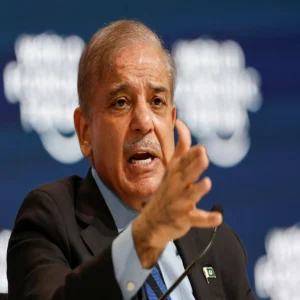
Geopolitics – Pakistan’s economic outlook has come under renewed pressure as the ongoing conflict between the United States and Iran continues to disrupt energy markets and regional stability. Prime Minister Shehbaz Sharif stated on Wednesday that the situation has significantly affected the country’s financial progress achieved over the past two years. He emphasized that Islamabad remains committed to supporting diplomatic efforts aimed at reducing tensions in West Asia.
Rising Energy Costs Add to Economic Burden
Addressing a Cabinet meeting, the prime minister highlighted a sharp increase in Pakistan’s oil import expenses since the conflict began. According to official figures, the country’s monthly oil import bill has jumped from around $300 million to nearly $800 million. This surge has placed considerable strain on national finances, especially at a time when the government is working to stabilize the economy.
In addition to rising import costs, there has also been a noticeable decline in petroleum consumption over the past week compared to earlier levels. Analysts suggest this may reflect both higher prices and cautious consumer behavior amid uncertainty.
Government Monitoring and Response Measures
To manage the evolving situation, the government has established a dedicated task force that is reviewing developments on a daily basis. Officials are closely tracking global oil trends, supply disruptions, and their potential impact on domestic markets. Sharif stressed the importance of coordinated efforts across departments to address the challenges posed by the crisis.
He also underlined the need for collective national action, noting that economic resilience will depend on timely decision-making and effective policy responses.
Pakistan’s Role in Diplomatic Engagement
The prime minister briefed the Cabinet on Pakistan’s involvement in facilitating dialogue between Washington and Tehran. He described Islamabad’s efforts as sincere and focused on promoting peace in the region. A key development was a round of negotiations held in Islamabad on April 11, which lasted over 20 hours and marked a significant step toward easing tensions.
Senior officials, including military and diplomatic leadership, played an active role in supporting the talks. Their coordinated efforts contributed to extending the ceasefire between the two sides, which remains in place for now.
Continued Dialogue and High-Level Visits
Recent diplomatic exchanges have further underscored Pakistan’s engagement in the process. Iranian Foreign Minister Abbas Araghchi visited Islamabad and held multiple meetings with Pakistani leadership, including a detailed discussion with the prime minister.
During these interactions, the Iranian side indicated a willingness to move forward constructively after internal consultations. Sharif shared that he had also spoken directly with Araghchi before the latter’s visit to Russia, receiving assurances that discussions held in Oman were conducted in a positive spirit.
These developments have raised cautious optimism that further progress may be possible in the coming weeks.
Prospects for Future Negotiations
Pakistan is preparing to host another round of talks between US and Iranian representatives, signaling its continued commitment to diplomatic mediation. Over the weekend, the Iranian foreign minister made two brief visits to Islamabad within a span of 48 hours, reflecting the urgency and intensity of ongoing negotiations.
Meanwhile, the United States has indicated openness to continued dialogue. Former President Donald Trump recently reiterated that communication channels remain available, including direct phone discussions aimed at resolving the conflict.
Background of the Conflict
The current crisis began earlier this year following coordinated military strikes by the United States and Israel on Iran. The attacks resulted in significant casualties among Iran’s leadership and military ranks, triggering a strong retaliatory response. The situation quickly escalated, affecting the broader Gulf region and raising concerns about long-term stability.
Outlook Remains Uncertain
While the ceasefire offers temporary relief, the situation remains fluid. Pakistan’s leadership has expressed hope that sustained diplomatic efforts will lead to a lasting resolution. However, economic challenges linked to energy costs and regional uncertainty are likely to persist in the near term.
As Islamabad continues to balance domestic economic priorities with its role in international diplomacy, the coming weeks will be critical in determining both the trajectory of the conflict and its broader impact on the region.