MiddleEastTensions – US Carriers Near Iran as Talks Resume
MiddleEastTensions – Two United States aircraft carrier strike groups have moved within operational range of Iran, signalling a sharp rise in military pressure even as diplomatic talks resume in Europe. One of the carriers, the USS Abraham Lincoln, has been positioned roughly 700 kilometres from Iran’s southern coast, while another group has entered the Gulf to strengthen the American presence in the region.
Military Posturing and Sharp Warnings
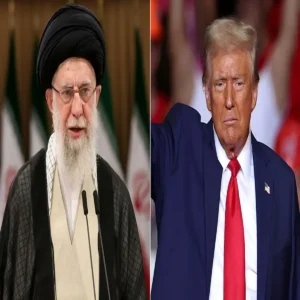
In Tehran, Iran’s Supreme Leader Ayatollah Ali Khamenei responded with uncompromising language, stating that American power would not be able to bring down the Islamic Republic. He also cautioned that any US warship entering hostile territory could face retaliation. The exchange of warnings underscores the fragile environment in which both countries are operating.
The latest deployments follow a period of heightened confrontation. During last year’s brief Iran-Israel conflict, the United States joined Israeli strikes targeting Iranian nuclear facilities. That precedent has added weight to current threats, making them harder to dismiss as mere political rhetoric.
Diplomacy Behind Closed Doors
Amid the military build-up, indirect negotiations have resumed in Geneva, facilitated by Oman. Officials from Washington and Tehran are engaging through intermediaries in an effort to prevent further escalation. The talks are formally centred on Iran’s nuclear programme, but broader security concerns remain part of the wider conversation.
Analysts say one of the main challenges lies in the absence of clearly defined parameters. While the United States has emphasised restrictions on uranium enrichment, it has also expressed concerns about Iran’s ballistic missile capabilities and its ties with China and Russia. Israel has strongly advocated expanding the agenda to include Tehran’s support for regional armed groups.
Iran, meanwhile, maintains that its right to enrich uranium is non-negotiable. Tehran argues that its nuclear activities are for civilian purposes and insists that any agreement must respect its sovereignty.
Regional Stakes and Diplomatic Activity
Gulf states including Saudi Arabia, Qatar, Kuwait and Oman have intensified diplomatic outreach, aware that any military clash could destabilise the broader Middle East. Many US military bases are located in countries that maintain working relations with Iran, complicating Tehran’s calculations.
Iran has previously targeted a US base in Qatar, an action that strained bilateral ties. That episode has left Tehran balancing its desire to project strength with the need to preserve improving regional relationships.
Economic Pressures at Home
Domestic challenges are also shaping Iran’s negotiating position. The country continues to grapple with high inflation and economic strain, exacerbated by international sanctions. Prices of basic goods have risen sharply, fuelling public frustration. Recent protests and government crackdowns have further heightened internal tensions.
These pressures limit Tehran’s room for manoeuvre. While sanctions relief remains a priority, Iranian leaders must avoid appearing weak in negotiations. At the same time, prolonged confrontation risks deepening economic hardship.
Shifting Alliances and Proxy Dynamics
Iran’s network of allied groups across the region has evolved in recent years. Hezbollah has been weakened following its own conflict with Israel, and Iraqi militias are increasingly focused on domestic political considerations. The Houthis in Yemen operate with growing autonomy, though they remain critical of both the United States and Israel.
Diplomatic support from China and Russia has provided Iran with some economic and strategic backing, including oil sales and limited technological cooperation. However, observers note that Tehran’s regional deterrence posture appears less cohesive than in previous years.
Strait of Hormuz: A Critical Flashpoint
One of the most significant escalation risks remains the Strait of Hormuz, the narrow waterway linking the Persian Gulf to the Gulf of Oman. Approximately a quarter of global seaborne oil and a substantial share of liquefied natural gas shipments pass through this corridor.
Iran has conducted military exercises in the area, temporarily restricting navigation for safety reasons. Officials have repeatedly suggested that closure of the strait remains an option if tensions intensify. Any disruption would likely send global energy prices higher and strain international supply chains.
Uncertain Signals from Washington
The trajectory of the crisis remains difficult to predict. Diplomatic engagement continues, yet past episodes have shown that negotiations can unfold alongside military action. Public messaging from US leadership and feedback from Omani mediators may offer clues, but uncertainty persists.
For now, the situation resembles a high-stakes strategic contest, with both sides testing resolve while attempting to avoid outright conflict. Whether the current phase leads to a breakthrough agreement or another cycle of confrontation will depend on decisions made in the coming weeks.