TradePolicy – US Expands Tariff Proposal While India-US Trade Talks Advance
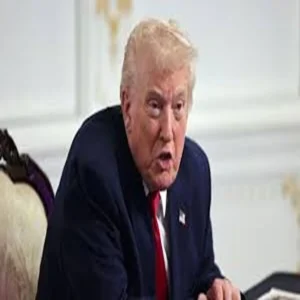
TradePolicy – The United States has unveiled a proposal to introduce fresh tariffs on imports from more than 60 trading partners, citing concerns over inadequate action against goods allegedly produced through forced labour. The move marks the latest effort by President Donald Trump’s administration to strengthen its trade agenda following recent legal challenges to earlier tariff measures.
According to a report released by the Office of the United States Trade Representative (USTR), the proposed duties would range between 10% and 12.5%. However, the measures are not expected to take effect immediately, as they must first pass through a public consultation process and regulatory review.
Trade Review Targets Multiple Economies
The USTR’s findings indicate that several countries failed to effectively enforce restrictions on imports linked to forced labour practices. Under the proposal, countries including Canada, Mexico, Taiwan and the United Kingdom could face an additional 10% tariff.
A higher tariff rate of 12.5% has been proposed for a broader group of economies that includes China, India, Japan, South Korea, Brazil and Switzerland. The recommendations stem from investigations conducted under Section 301 of the Trade Act of 1974, which allows the US government to examine foreign trade practices that may affect American commerce.
US officials stated that the reviews focused on whether trading partners had implemented meaningful measures to prevent the import of products allegedly manufactured through forced labour.
Concerns Over Competitive Disadvantages
The USTR reported that dozens of economies did not sufficiently enforce prohibitions related to forced labour imports. Among those cited were China, India, Bangladesh, Vietnam, Japan, Saudi Arabia, Singapore, the United Arab Emirates and the United Kingdom. Another group, including Canada, the European Union, Indonesia, Mexico and Pakistan, was found to have enforcement mechanisms that were considered inadequate.
USTR representative Jamieson Greer said the continued entry of such goods into global markets places American workers at a competitive disadvantage. He argued that stronger enforcement by major trading partners is necessary to ensure fair competition in international trade.
Certain Products to Remain Exempt
Despite the broad scope of the proposal, several categories of goods would remain outside the tariff framework. Exemptions are expected to cover products such as beef, coffee, selected fruits and nuts, along with specific textile and apparel items.
In addition, goods traded under the North American free trade framework between the United States, Canada and Mexico would continue to receive preferential treatment if they meet existing agreement requirements.
The USTR has invited public feedback on the proposal until July 6. Public hearings will follow before any final decision is announced.
New Strategy After Legal Setbacks
The latest initiative follows a Supreme Court ruling earlier this year that invalidated a number of tariff measures introduced by the Trump administration. In response, US trade officials launched fresh investigations designed to create a more durable legal foundation for future trade actions.
Alongside the forced labour reviews, Washington has also initiated investigations into concerns surrounding excess industrial production capacity in several sectors.
India-US Trade Negotiations Continue in New Delhi
As the tariff discussions unfold, a delegation from the United States Trade Representative’s office is holding meetings in New Delhi aimed at finalising an interim trade arrangement with India. The American team is led by chief negotiator Brendan Lynch, while India’s delegation is headed by Commerce Department Additional Secretary Darpan Jain.
Officials from both countries are working to complete the details of an interim pact while simultaneously advancing negotiations on a broader Bilateral Trade Agreement (BTA).
Focus Areas of the Proposed Agreement
Current discussions cover a wide range of issues, including market access, customs procedures, non-tariff barriers, investment opportunities and economic security cooperation.
A framework for the first phase of the proposed BTA was outlined in a joint statement released by New Delhi and Washington in February. One of the key elements under discussion involves reducing tariffs on Indian exports to the US and easing certain trade-related restrictions.
The proposed changes are viewed as an important step toward improving trade relations after a period marked by tariff disputes that affected Indian exports and created uncertainty among investors.