Rafale Deal – India Advances Major Fighter Jet Expansion With France
Rafale Deal – India has taken another significant step toward strengthening its military aviation capabilities as Air Chief Marshal Amar Preet Singh began a four-day visit to France. The visit comes at a crucial stage when New Delhi is moving forward with plans to acquire 114 additional Rafale fighter aircraft, a project regarded as one of the largest combat aircraft procurement efforts undertaken by the Indian Air Force.
Proposal Sent to France for Further Assessment
Officials familiar with the matter said India has formally submitted its proposal to the French government regarding the purchase of the new fighter jets. French authorities are now expected to provide details related to pricing, manufacturing schedules, supply arrangements, and long-term maintenance support. Sources indicate that this response may arrive within the next few months, after which detailed negotiations between both sides are likely to begin. Government officials remain optimistic that the agreement could be concluded within the coming year.
Defence Industry Meetings Expected During Visit
The Air Force Chief’s visit is being viewed as strategically important rather than a routine diplomatic engagement. During his stay, he is expected to interact with senior representatives from leading French defence manufacturers. Discussions may involve Dassault Aviation, the producer of the Rafale fighter aircraft, as well as missile manufacturer MBDA, known for systems such as Meteor and SCALP.
Beyond the proposed purchase, conversations are expected to focus on industrial collaboration, technology sharing, local manufacturing opportunities, and the possible integration of Indian-developed weapons and systems into future aircraft.
Possible High-Level Political Engagement
Sources have also indicated that Prime Minister Narendra Modi could travel to France later this month. If the visit takes place, defence cooperation and the proposed fighter aircraft agreement are likely to feature prominently in bilateral discussions.
The procurement process is being pursued through a government-to-government framework, making political support and coordination between the leadership of both nations an important factor in moving the project forward.
Air Force Facing Squadron Shortfall
The Indian Air Force has long highlighted the need for additional combat aircraft to address a growing gap in operational strength. While the force is authorized to maintain 42 fighter squadrons, its current strength stands at approximately 29 squadrons.
The retirement of ageing aircraft, including the MiG-21 fleet, has further increased the requirement for modern fighters. As a result, the acquisition of 114 multirole combat aircraft has become a key priority. The Rafale platform is widely considered a leading contender because the Air Force already operates 36 aircraft of the same type.
Strong Focus on Domestic Manufacturing
One of the most important aspects of the proposed agreement is the emphasis on production within India. According to officials, a substantial majority of the aircraft could be assembled or manufactured domestically, with only a limited number delivered directly from France.
Industry sources suggest that around 94 aircraft may be produced in India through collaboration between Dassault Aviation and an Indian industrial partner. The Defence Ministry is aiming for significant local participation, with roughly half of the project expected to involve indigenous manufacturing, systems, or components.
This approach aligns with India’s broader efforts to strengthen domestic defence production and reduce dependence on imports while creating opportunities for technology transfer and industrial development.
Existing Rafale Experience Offers Advantage
Military analysts note that India already possesses valuable operational experience with the Rafale platform. In 2016, India and France signed a contract for 36 Rafale fighter jets, all of which have since been delivered and inducted into service.
The aircraft are currently stationed at the Ambala and Hasimara air bases. Existing infrastructure, trained personnel, and maintenance systems are expected to simplify the introduction of any future Rafale aircraft into the Air Force fleet.
Potential Expansion of Rafale Fleet
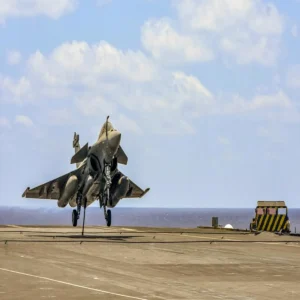
At present, the Indian Air Force operates 36 Rafale fighters, while the Indian Navy has already secured a separate agreement for 26 carrier-capable Rafale-M aircraft.
Should the proposed purchase of 114 additional jets move forward, India’s total Rafale inventory would rise to 176 aircraft. Defence experts believe such an expansion would considerably enhance the country’s air combat capabilities and improve preparedness across multiple operational fronts, including areas facing strategic challenges from both China and Pakistan.