COVID-19 Origins – Gabbard Releases Documents Alleging Fauci Influenced Pandemic Narrative
COVID-19 Origins – Former United States Director of National Intelligence Tulsi Gabbard has released a set of previously undisclosed documents that she claims raise serious questions about the role of former top health official Dr. Anthony Fauci in shaping government assessments regarding the origins of COVID-19.
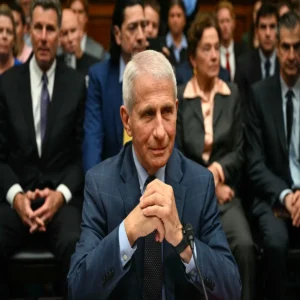
The documents, made public on Gabbard’s final day in office, allege that Fauci was involved in funding coronavirus-related research at the Wuhan Institute of Virology in China. The institute has remained at the center of global discussions surrounding the possible origins of the COVID-19 outbreak since the pandemic began.
Claims of Research Funding
According to a statement issued by Gabbard’s office, American taxpayer money was directed toward research involving bat coronaviruses at the Wuhan laboratory through programs linked to the National Institute of Allergy and Infectious Diseases (NIAID), which Fauci led for nearly four decades.
The statement argues that the research included gain-of-function studies, a scientific practice that involves modifying viruses to better understand how they behave and spread. Supporters of such research say it can help prepare for future outbreaks, while critics argue it carries significant risks.
Allegations of Influence Over Intelligence Assessments
Gabbard’s office further alleged that Fauci played a role in influencing assessments produced by the U.S. intelligence community regarding the origins of COVID-19. According to the released documents, selected scientists who received NIAID funding were involved in providing input that contributed to official evaluations of the virus’s source.
The statement claims this process helped strengthen support for the theory that the virus emerged naturally from animals while reducing consideration of the possibility that it originated from a laboratory incident.
Officials associated with Gabbard’s office argued that alternative viewpoints were not given equal attention during the review process and that dissenting opinions were often overlooked.
Questions Over Congressional Testimony
Another major allegation concerns Fauci’s testimony before Congress in June 2024. Gabbard’s office contends that Fauci did not fully disclose the extent of his interactions with intelligence agencies regarding viral research and pandemic-related matters.
The documents claim that when questioned about contacts with agencies such as the FBI, CIA, and other intelligence organizations, Fauci denied having relevant knowledge concerning COVID-19 discussions. Gabbard’s office alleges that the newly released records contradict portions of that testimony.
No immediate public response from Fauci was available following the release of the documents.
Concerns Raised by Whistleblowers
The statement also referenced accounts from whistleblowers who reportedly worked within the intelligence community. According to those claims, analysts who challenged prevailing conclusions about the virus’s origins faced professional difficulties, including reduced opportunities and concerns about retaliation.
Gabbard’s office argued that such conditions discouraged open debate and may have limited the consideration of competing evidence during the pandemic period.
The documents further allege that intelligence reviews relied heavily on a limited group of experts, resulting in what the statement described as a feedback loop between scientific advisers and government assessments.
Calls for Greater Transparency
While presenting the documents, Gabbard said the public deserves a full accounting of decisions made during the pandemic, which affected millions of people in the United States and around the world.
She stated that transparency and accountability remain essential for understanding how government agencies handled information related to COVID-19 and its origins. Gabbard also argued that the release of additional records could help clarify long-standing questions surrounding the pandemic.
The allegations contained in the documents are likely to intensify ongoing debates about the origins of COVID-19, the role of scientific research funding, and the relationship between public health agencies and intelligence organizations. As of now, the claims released by Gabbard’s office remain subject to public scrutiny and further examination.