Diplomacy – Last-Minute Ceasefire Averts Escalation in US-Iran Conflict
Diplomacy – A tense standoff between the United States and Iran has paused, with both sides agreeing to a two-week ceasefire just moments before a dramatic escalation appeared imminent. The agreement, reached under mounting global concern, has temporarily halted over a month of hostilities that had unsettled international markets and raised fears of a broader conflict.
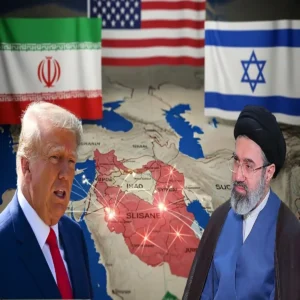
Fragile Calm After Weeks of Conflict
The ceasefire follows weeks of intense confrontation that began in late February, when a deadly airstrike killed Iran’s former Supreme Leader. His successor, Mojtaba Khamenei, played a decisive role in the final stages of negotiations by signaling openness to a temporary truce—marking a notable shift in Tehran’s stance since the conflict began.
Iran’s foreign ministry confirmed that under the agreement, shipping through the Strait of Hormuz—a critical passage for global energy supplies—would continue with coordination from Iranian forces. This assurance has been particularly significant for global markets, as nearly a fifth of the world’s oil and gas flows through the route.
Washington Claims Strategic Advantage
Officials in Washington described the ceasefire as a result of sustained military pressure combined with diplomatic engagement. The White House indicated that recent operations had strengthened its negotiating position, allowing room for discussions aimed at a longer-term resolution.
The announcement triggered a positive reaction in financial markets, with investors expressing cautious optimism that the crisis may not deepen further. Analysts, however, warned that the situation remains highly sensitive and dependent on continued dialogue.
Intense Negotiations Behind Closed Doors
While public rhetoric remained aggressive, diplomatic activity accelerated behind the scenes in the final hours before the agreement. Senior officials from multiple countries worked urgently to bridge differences, with revised proposals moving rapidly between delegations.
Reports indicate that initial proposals were rejected outright by US representatives, prompting a series of rapid amendments. Mediators, including officials from Pakistan, Egypt, and Turkey, played a central role in maintaining communication channels and narrowing disagreements.
At the same time, US military forces in the region were preparing for a potential escalation, including possible large-scale strikes on Iranian infrastructure. Regional allies were also on alert, anticipating retaliation if talks collapsed.
Leadership Decisions Prove Crucial
The final breakthrough came only after Iran’s new Supreme Leader approved the revised terms. Due to security concerns, including threats to his life, Khamenei has reportedly been communicating through indirect channels, adding complexity to the decision-making process.
Iran’s foreign minister was also instrumental in securing internal consensus, particularly among military leadership, to accept the temporary halt in fighting. External actors, including China, are said to have encouraged Tehran to consider a diplomatic path forward.
Final Hours Marked by Uncertainty
Even as progress was being made, uncertainty persisted. Strong statements from US leadership raised concerns that negotiations might collapse at the last moment. However, officials involved in the talks maintained that discussions were continuing despite public messaging.
By midday on Tuesday, there were clear signs that both sides were moving toward agreement. The ceasefire proposal was eventually endorsed by key stakeholders and formally announced shortly thereafter.
What Lies Ahead
The two-week ceasefire is seen as a temporary measure rather than a permanent solution. Diplomatic efforts are expected to continue, with proposals for further talks already under discussion. A meeting involving representatives from both nations may take place in the coming days to explore longer-term arrangements.
For now, military operations have been paused, offering a brief window for dialogue. Whether this pause leads to lasting stability or merely delays further confrontation will depend on the outcome of upcoming negotiations.