Politics – Mamata Banerjee Reshapes TMC Leadership Amid Growing Internal Dissent
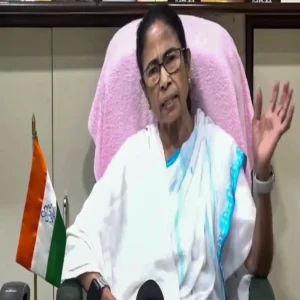
Politics – West Bengal Chief Minister and Trinamool Congress chief Mamata Banerjee has initiated a sweeping restructuring of her party’s organisational framework as the ruling outfit grapples with increasing internal discontent and challenges to its leadership. The move is being viewed as a significant attempt to restore discipline and strengthen the party following recent electoral setbacks and growing unrest among several leaders.
Key Changes in Party Leadership
One of the most notable developments is the reduction of the exclusive influence previously enjoyed by Abhishek Banerjee, the party’s national general secretary and Mamata Banerjee’s nephew. While he retains his position, his responsibilities will now be shared with two additional national general secretaries. Senior Members of Parliament Derek O’Brien and Dola Sen have been assigned to work alongside him, signaling a shift toward a more collective decision-making structure within the party.
Political observers believe the change reflects the leadership’s effort to address concerns raised by party members who had questioned the concentration of authority in a single individual. The decision also sends a message that all leaders within the organisation are now expected to function within a broader accountability framework.
Rising Discontent Within the Party
The ongoing turmoil inside the Trinamool Congress is widely seen as being linked to dissatisfaction with the functioning of the party’s leadership structure rather than direct opposition to Mamata Banerjee herself. Following the party’s performance in the Assembly elections, differences reportedly became more visible during internal meetings.
According to party insiders, tensions escalated after discussions in which some leaders expressed concerns about the direction of the organisation and the style of leadership adopted by key figures. Over time, those concerns evolved into open criticism, exposing divisions within the legislative wing of the party.
A meeting held in Kolkata during May reportedly witnessed senior leaders publicly expressing reservations about the party’s functioning, marking a significant moment in the emergence of organised dissent.
Organisational Reset Across the State
In response to the growing unrest, Mamata Banerjee has undertaken a broad organisational overhaul aimed at revitalising the party structure. Senior leader Chandrima Bhattacharya has been appointed as the new state president, a move that many see as part of a wider effort to refresh the leadership and improve coordination within the organisation.
Meanwhile, veteran leader Subrata Bakshi will continue serving as vice-president of the National Working Committee, ensuring continuity alongside the newly introduced changes.
The restructuring extends beyond the top leadership. Several fresh appointments have been made across different organisational wings. Sajda Ahmed, Mamata Thakur, Nayana Bandyopadhyay and Swati Khandekar have been named vice-presidents of the West Bengal Pradesh Trinamool Congress. Saayoni Ghosh will continue leading the party’s youth wing.
Focus on Loyal Leadership
The latest reshuffle also highlights Mamata Banerjee’s reliance on trusted associates and long-serving party members who have remained aligned with her leadership during the ongoing internal challenges. By assigning key responsibilities to experienced figures, the party leadership appears to be seeking greater stability and organisational cohesion ahead of future political battles.
Party Responds to Rebel Leaders
As speculation continues over the actions of dissident leaders, Trinamool Congress MLA Kunal Ghosh strongly criticised those distancing themselves from the party. Speaking on Friday, he alleged that some leaders were changing their political stance due to external administrative pressures.
He argued that several of the dissenting figures had secured electoral success largely because of Mamata Banerjee’s popularity and public support. Ghosh also maintained that despite the current turbulence, grassroots workers remain committed to the party and its leadership.
The organisational changes mark one of the most significant internal restructuring exercises undertaken by the Trinamool Congress in recent years, as Mamata Banerjee seeks to reinforce party unity and address emerging political challenges