PowerDemand – India Strengthens Grid Preparedness Ahead of Summer Electricity Surge
PowerDemand – India is stepping up efforts to maintain uninterrupted electricity supply as rising temperatures continue to push power consumption to new highs across the country. Officials from the Power Ministry informed the Parliamentary Standing Committee on Energy that peak electricity demand has already shown a sharp increase and is expected to climb further in the coming months as summer conditions intensify.
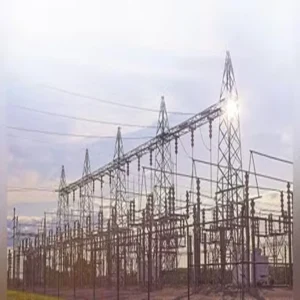
India’s maximum power demand reached 256 gigawatts on April 25 before increasing to 265 gigawatts by May 20. According to projections shared by the ministry, the figure may rise to nearly 271 gigawatts in June and could touch 283 gigawatts in July if heatwave conditions continue across several regions.
Government Moves to Prevent Summer Power Shortages
Senior officials said the Centre has introduced multiple emergency preparedness measures to avoid electricity shortages during the peak summer season. Additional Secretary Piyush Singh briefed lawmakers on the government’s operational planning and stressed that authorities are working to ensure stable power availability across states.
One of the major decisions taken involves keeping all thermal power plants operational throughout the high-demand period. Authorities have reportedly directed plants to avoid routine maintenance shutdowns during the summer months so that generating capacity remains available at all times.
Officials estimate that this strategy alone could increase available electricity supply by nearly 15,000 megawatts, helping the national grid manage rising consumption from households, businesses, and industrial users.
Coal Availability Remains Under Watch
Government sources also stated that coal supply for thermal power generation is currently stable, providing some relief amid increasing electricity demand. However, reserve levels are lower than the standard benchmark generally maintained by the sector.
At present, coal reserves are said to be sufficient for around 18 days, compared to the normal target of approximately 30 days. Even so, officials maintained that supply chains are functioning without major disruption and that coordination between coal producers and power generators continues on a daily basis.
Global Tensions Raise Concerns Over Gas Supplies
Apart from coal, authorities are also monitoring developments in the international energy market, especially regarding natural gas supplies. Officials acknowledged that growing geopolitical tensions involving the United States and Iran, along with the reported closure of the Strait of Hormuz by Tehran, have affected global energy transportation and pricing.
The Strait of Hormuz is considered one of the world’s most critical maritime energy routes, carrying a large share of international oil and gas shipments. Any disruption in this corridor can significantly influence fuel availability and import costs for multiple countries, including India.
To reduce potential risks, officials said alternative gas cargo arrangements are being explored, including supplies sourced from Nigeria and other regions.
Renewable Energy to Support Grid Stability
The government is also planning to rely more strategically on renewable energy sources to balance electricity demand during the summer season. Officials indicated that hydropower generation would be managed carefully during daytime hours to conserve resources for periods of higher demand.
At the same time, stronger solar power generation during daylight hours is expected to reduce pressure on the grid. Authorities are also anticipating better wind energy output from June onward, which could further support electricity availability nationwide.
Energy planners believe that combining thermal, hydro, solar, and wind resources more efficiently will help maintain grid stability even if temperatures remain unusually high.
States Seek Additional Support
Sources familiar with the discussions said some states have already approached the Centre seeking extra support to manage local demand pressures. Uttar Pradesh, in particular, has requested additional load-sharing assistance as electricity usage rises sharply during the summer season.
Officials said the state has been assured of necessary support to maintain supply reliability and prevent outages during peak consumption periods.
Despite the growing demand projections, the Power Ministry has stated that India remains fully prepared to meet expected record electricity requirements this summer through coordinated planning and continuous monitoring of supply resources.