Iran – Trump Signals Hardline Stance Toward Iran’s New Supreme Leader
Iran – The United States has sharply criticized Iran’s recent leadership change, raising new concerns about stability and security in the region.
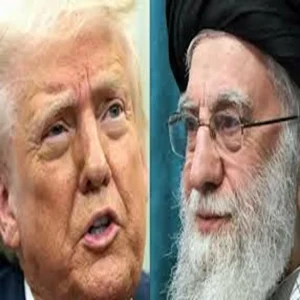
The political atmosphere between Washington and Tehran has become increasingly tense following remarks by former US President Donald Trump regarding Iran’s newly appointed Supreme Leader, Mojtaba Khamenei. According to a report by The Wall Street Journal, Trump indicated that he would support strong action against the Iranian leader if Tehran refuses to comply with US demands, particularly concerning its nuclear program. The comments have drawn attention from international observers as they come at a time of heightened geopolitical sensitivity in the Middle East.
Dispute Over Iran’s Nuclear Programme
At the center of the disagreement is Iran’s nuclear programme, which Washington has long argued could threaten global security if it leads to the development of nuclear weapons. Trump has repeatedly emphasized that Iran must abandon any pursuit of nuclear arms. Reports suggest that he believes strong measures may be necessary if Iran’s leadership refuses to cooperate with US demands.
Officials familiar with the matter told media outlets that any potential operation, if considered in the future, would likely involve Israeli military leadership. Analysts note that Israel has consistently maintained a firm stance against Iran’s nuclear ambitions and has previously warned that it would act to prevent Tehran from advancing such capabilities.
Reaction to Mojtaba Khamenei’s Appointment
Trump has also expressed dissatisfaction with Iran’s decision to appoint Mojtaba Khamenei as the country’s new Supreme Leader. In an interview with Fox News, he said he was “not happy” with the choice and suggested that the new leader would face significant international pressure. His remarks reflect broader concerns in Washington about the direction of Iran’s leadership following the death of former Supreme Leader Ali Khamenei in an airstrike earlier this year.
Political observers say the transition of power has triggered debate both inside and outside Iran about the future of the country’s governance and its relations with Western nations.
Questions Surrounding the Leadership Transition
Reports have indicated that the late leader, Ali Khamenei, had reportedly expressed reservations about his son taking over the country’s highest religious and political office. According to coverage by the New York Post, he had written in his will that he did not wish for Mojtaba Khamenei to succeed him. However, the Islamic Revolutionary Guard Corps, one of the most influential institutions within Iran’s political system, is believed to have played a decisive role in supporting Mojtaba’s elevation to the position.
Experts on Iranian politics have suggested that concerns over Mojtaba’s leadership abilities were known within certain circles even before the succession decision was finalized.
Influence Behind the Scenes
Mojtaba Khamenei, 56, had largely remained outside formal government positions before his appointment as Supreme Leader. Despite the absence of an official role, analysts say he maintained significant influence through his close involvement with his father’s inner political network.
Earlier diplomatic cables from the United States described him as a powerful figure operating behind the scenes within the Iranian establishment. At the time, he was sometimes referred to by diplomats as a key decision-maker despite holding no public office.
He also faced allegations during the early 2000s of involvement in shaping Iran’s presidential elections in ways that benefited candidates aligned with the ruling system. Those claims have long been a subject of debate among political analysts studying Iran’s internal power dynamics.
Israel’s Warning on Regional Security
Israel has repeatedly warned that it views Iran’s leadership and military policies as a major security concern. In previous statements, Israeli military officials indicated that any Iranian leader continuing policies linked to regional militancy could be regarded as a direct threat.
The recent developments surrounding Iran’s leadership change and the strong reactions from Washington highlight the complex and fragile nature of Middle East politics. With tensions already high due to nuclear concerns and regional conflicts, analysts say diplomatic engagement and international monitoring will play an important role in shaping what happens next.