TrumpTariffs – President Repeats Mediation Claim on India-Pakistan Crisis
TrumpTariffs – US President Donald Trump has once again asserted that he played a decisive role in defusing the 2025 military confrontation between India and Pakistan, stating that he threatened steep trade penalties to compel both sides to halt hostilities. Speaking at the Board of Peace gathering, Trump also increased his earlier estimate of aircraft losses during the conflict, claiming that 11 fighter jets were downed.
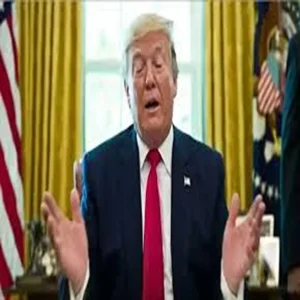
Remarks at the Board of Peace Event
During his address, Trump turned his attention to the South Asian standoff and invited Pakistan’s Prime Minister, Shehbaz Sharif, to stand briefly while referencing his mediation efforts. Trump said he had personally spoken with Indian Prime Minister Narendra Modi and Sharif at the height of the crisis.
He told the audience that both nations were on the brink of prolonged confrontation when he intervened through direct calls. According to Trump, he warned the two nuclear-armed neighbors that the United States would impose tariffs of up to 200 percent if the fighting did not stop. He suggested that economic pressure became the turning point in securing calm.
In his speech, Trump also repeated a claim that Sharif had credited him with preventing millions of potential casualties. The US President described the episode as a “beautiful outcome,” arguing that financial leverage persuaded both sides to reconsider escalation.
Disputed Figures on Aircraft Losses
Trump stated that 11 military aircraft were shot down during the clashes. This figure marks the highest number he has cited so far. Over the past year, he has offered varying counts, beginning with five jets and later adjusting the figure to seven, eight, and ten before now settling on eleven.
Indian authorities have not confirmed these numbers. While acknowledging that aircraft were lost during the confrontation, India’s Chief of Defence Staff has declined to provide a specific tally. The Indian Air Force has maintained that none of its pilots were killed in action during operations.
New Delhi has also consistently rejected any suggestion of third-party mediation. Officials have reiterated that the cessation of hostilities was achieved through established military channels between the two sides.
India’s Position on the Ceasefire
According to the Indian government, the agreement to stop military action followed direct communication between the Directors General of Military Operations of both countries. Indian officials have emphasized that the decision emerged from bilateral engagement rather than external diplomatic intervention.
The confrontation began after India launched Operation Sindoor on May 7, 2025. The operation targeted what New Delhi described as terror infrastructure located in Pakistan and Pakistan-occupied Kashmir. The strikes were carried out in response to the April 22 attack in Pahalgam, which resulted in the deaths of 26 civilians.
Pakistan responded with military action, leading to several days of heightened cross-border tensions. International observers closely monitored the situation due to the strategic importance of the region and the nuclear capabilities of both countries.
Ongoing Claims and International Reaction
Trump has repeatedly stated that he helped prevent multiple global conflicts during his second term. Since May last year, he has referred to the India-Pakistan episode dozens of times, portraying it as a major diplomatic success.
India, however, has maintained a consistent public stance that no foreign government brokered the ceasefire. Officials in New Delhi have underscored that established military communication mechanisms were sufficient to restore calm.
The differing narratives highlight ongoing sensitivities surrounding the 2025 standoff. While Washington’s account emphasizes economic leverage and personal diplomacy, India continues to frame the resolution as the result of direct and structured engagement between the two armed forces.
As geopolitical tensions remain under close watch, statements from global leaders are likely to draw scrutiny, particularly when they involve issues of national security and regional stability.