SIGAR report: Warns of growing terrorist threats in Afghanistan and worsening regional instability
Kabul: The U.S. Special Inspector General for Afghanistan Reconstruction (SIGAR) warned of growing militant threats and deteriorating regional instability in its most recent quarterly report, stating that Afghanistan continues to serve as a safe haven for major terrorist organizations such as Al-Qaeda, Tehrik-i-Taliban Pakistan (TTP), and ISIS-K, despite the 2020 Doha Agreement, Khaama Press reported.
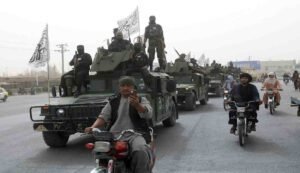
Afghanistan continues to descend into instability, diplomatic isolation, and humanitarian collapse almost four years after the Taliban regained control. The SIGAR study, according to Khaama Press, said that the Taliban’s severe policies—particularly those that target women and girls—have weakened its efforts to gain international legitimacy and further distanced the government from the world economy.
SIGAR highlighted the serious hazards to foreign nationals, diplomats, UN staff, and ethnic and religious minorities, identifying “ISIS-Khorasan” as the “largest transnational terrorist threat” coming from Afghan territory. According to Khaama Press, the Taliban have been charged with supporting these organizations rather than eradicating them.
According to the study, the Taliban has persisted in aiding the TTP, which still has some 6,500 militants in eastern Afghanistan. According to Khaama Press, this purported assistance not only goes against the spirit of the Doha Agreement but also feeds concerns that Afghanistan would once again serve as a base for international terrorists.
In addition, the humanitarian catastrophe has become worse since the United States decided to stop providing financial assistance in April. The study cautioned that millions of Afghans have been denied access to life-saving aid. The International Rescue Committee said that “devastating impacts” have already been seen in areas that are at risk. The United States has given more than $30 million to the UN’s 2025 humanitarian response plan prior to the assistance halt.
According to Khaama Press, there hasn’t been any movement in diplomatic attempts. Since the Taliban is unwilling to accept international standards in return for financial assistance, negotiations between them and UN representatives in Doha have come to a standstill. In contrast, the United States has reduced its involvement in terrorist operations and the repatriation of U.S. nationals.
U.S. officials have said that “continued support is impossible so long as the Taliban harbors terrorists and enforces repressive policies.”
According to Khaama Press, SIGAR concluded by warning that the Taliban have exacerbated Afghanistan’s domestic crises and exposed the wider region to fresh instability by providing sanctuary to terrorist organizations, opposing reform, and breaking international agreements.