IranNuclear – Trump Considers Ground Mission to Secure Uranium Stockpile
IranNuclear – The United States is reportedly weighing a high-stakes military option involving a potential ground mission inside Iran to secure a large quantity of enriched uranium, even as diplomatic efforts continue to ease tensions in the region. According to recent reports, the proposed operation would aim to take control of roughly 400 kilograms of uranium that could be used in the development of nuclear weapons.
Diplomatic Efforts Continue Amid Military Considerations
Despite the seriousness of the military option under discussion, backchannel diplomacy has not stalled. Indirect talks between Washington and Tehran, reportedly facilitated by intermediaries including Pakistan, Egypt, and Turkey, are said to be progressing. While no direct negotiations have taken place so far, there is cautious optimism that an agreement could be reached in a relatively short time frame.
At the center of the discussions is a demand from the United States that Iran relinquish its enriched uranium reserves as part of any broader agreement to de-escalate hostilities. Officials familiar with the matter suggest that this condition is being strongly emphasized as a non-negotiable element in any settlement.
Strategic Objectives and Military Preparations
The primary goal behind the proposed operation appears to be ensuring that Iran does not acquire nuclear weapons capability. While this objective has remained consistent, there are varying views within the administration on how far military involvement should go.
Meanwhile, military preparations in the region are reportedly intensifying. Thousands of additional troops have been deployed to strategic locations in the Gulf, signaling readiness for multiple scenarios. Recent statements have also hinted at the possibility of further escalation if diplomatic efforts fail to yield results.
Status of Iran’s Nuclear Material
Prior to earlier airstrikes targeting Iranian nuclear facilities, estimates indicated that the country possessed significant quantities of enriched uranium at varying levels of purity. Although some of this material is believed to have been buried under damaged facilities, international observers suggest that a substantial portion remains accessible at key nuclear sites.
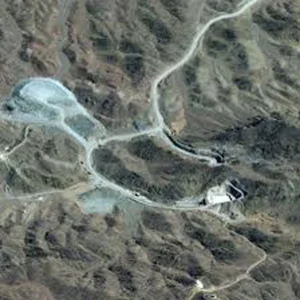
Experts indicate that these materials are stored in secure underground locations, making any attempt to retrieve them both technically challenging and highly risky. There are also concerns that Iran retains the capability to rebuild or relocate enrichment operations if necessary.
Operational Challenges and Risks
Carrying out a ground mission to seize nuclear material would involve a complex sequence of actions. Military teams would need to enter heavily defended areas, secure perimeters, and navigate potential threats such as air defenses, drones, and hidden explosives.
Once access is gained, specialized personnel would be required to locate and safely handle the uranium, which is likely stored in reinforced containers. The extraction process would demand careful coordination, heavy equipment, and secure transport arrangements, potentially involving airlift operations from improvised or existing airfields.
Security analysts warn that such an operation could take several days to complete and may provoke immediate retaliation, potentially expanding the conflict beyond initial expectations.
Internal Debate Within Leadership Circles
There are indications of differing perspectives among senior officials regarding the approach toward Iran. While some advocate for a firm stance to eliminate nuclear risks entirely, others appear to favor a more cautious path that prioritizes diplomatic solutions and avoids prolonged military engagement.
These internal discussions reflect broader concerns about the potential economic and political consequences of an extended conflict. With domestic priorities also in focus, decision-makers are balancing strategic objectives against the risks of deeper involvement in the region.
Uncertain Path Forward
As the situation evolves, the balance between diplomacy and military action remains delicate. While negotiations offer a possible route to de-escalation, the presence of military contingencies underscores the seriousness of the underlying concerns.
The coming weeks are likely to be critical in determining whether a negotiated settlement can be achieved or whether more direct measures will be pursued to address the nuclear issue.