Iran – US Deploys Major Airpower in Middle East as Tensions Rise
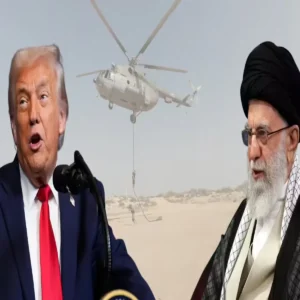
Iran – The United States has significantly expanded its military presence in the Middle East, positioning advanced fighter aircraft, naval assets, and support systems across key bases as tensions with Iran intensify. According to a report by The Wall Street Journal, the buildup marks the largest concentration of American airpower in the region since the 2003 Iraq conflict.
Advanced Aircraft and Naval Forces Positioned
In recent days, dozens of US Air Force jets and support aircraft have arrived at Muwaffaq Salti Air Base in Jordan and Prince Sultan Air Base in Saudi Arabia. Flight-tracking data indicates that additional aircraft are en route. The deployment includes F-35 and F-22 stealth fighters, F-15 and F-16 jets, as well as E-3 airborne early warning planes and E-11 battlefield communications aircraft.
Refueling tankers such as KC-135 aircraft and military cargo planes have also been active in the region, supporting what analysts describe as preparations for a potential sustained air campaign.
On the naval front, the US Navy has assembled a sizable force in the Middle East and eastern Mediterranean. The aircraft carrier USS Abraham Lincoln is currently deployed along with several guided-missile destroyers capable of intercepting ballistic threats. A second carrier, USS Gerald R. Ford, and its accompanying strike group are reportedly heading toward the area.
Additional land-based air defense systems have also been reinforced across the region, further strengthening US military readiness.
Decision Awaits Presidential Approval
Despite the visible military preparations, President Donald Trump has not made a final decision on whether to authorize military action. Reports indicate he has weighed multiple options, ranging from limited strikes on Iran’s nuclear and missile facilities to broader operations targeting the country’s political and military leadership.
According to media accounts, the White House has been informed that operational readiness could allow for action within days if approval is granted. However, the president has reportedly debated the potential consequences, consulting advisers and international partners before determining the next step.
Scale Compared to Past Conflicts
Although the current deployment is substantial, it remains smaller than the force levels seen during Operation Desert Storm in 1991 or the 2003 Iraq invasion. In 1991, the United States deployed six aircraft carriers and over 1,000 aircraft to the Gulf region. The 2003 campaign also involved hundreds of warplanes and large ground forces supported by an international coalition.
Today’s circumstances differ significantly. The US Air Force operates with fewer total aircraft than in previous decades, and there is no broad multinational coalition publicly backing potential strikes. Additionally, some regional countries have restricted the use of their airspace for offensive operations, concentrating much of the US air presence in Jordan.
Improved Technology, Different Strategy
While troop numbers are lower than in past wars, advancements in precision-guided munitions, stealth capabilities, and integrated command systems have enhanced the effectiveness of modern air operations. Analysts suggest that even a limited number of high-end aircraft could sustain targeted strikes over several weeks if necessary.
Reports indicate that planning scenarios include both narrowly focused attacks on nuclear and ballistic missile infrastructure and wider campaigns aimed at weakening Iran’s governing structure. Either option could involve prolonged operations rather than a single round of strikes.
Diplomatic Efforts Continue Amid Uncertainty
At the same time, diplomatic talks between Washington and Tehran are ongoing. Representatives from both sides recently met in Geneva to discuss uranium enrichment and related issues. US officials described the discussions as showing modest progress but acknowledged that significant differences remain.
Iran is expected to present a more detailed proposal in the coming weeks. However, officials in Washington and abroad have expressed doubt about whether Tehran will accept long-term restrictions on its nuclear activities.
Military experts caution that any conflict could prompt retaliation. Iran maintains a sizable missile arsenal and has regional allies capable of targeting US bases or disrupting maritime traffic in the Strait of Hormuz, a crucial route for global oil shipments.
Some former defense officials argue that the expanded US deployment may serve as a signal intended to strengthen diplomatic leverage rather than to initiate immediate combat. Whether the current standoff leads to negotiation or confrontation now hinges on political decisions in Washington and Tehran.