Diplomacy – Israel Questions Pakistan’s Role Ahead of US-Iran Talks
Diplomacy – Tensions and cautious expectations continue to shape diplomatic efforts ahead of scheduled discussions between the United States and Iran in Islamabad, with Israel openly expressing doubts about Pakistan’s credibility in the process.
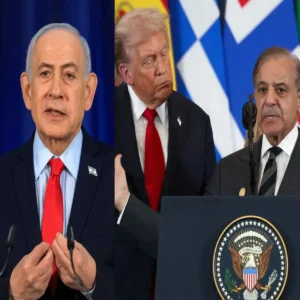
Israel’s ambassador to India, Reuven Azar, has raised concerns over Pakistan’s involvement, stating that his country does not place trust in Islamabad’s intentions. In a recent interaction with NDTV, Azar remarked that Pakistan’s role should be viewed as limited, suggesting that even the United States considers it primarily a logistical facilitator rather than a key decision-maker in the talks.
Israel Voices Concerns Over Pakistan’s Credibility
Azar emphasized that Israel’s expectations are centered on Washington’s approach to the negotiations rather than Pakistan’s participation. He indicated that Israel believes the United States will utilize the limited timeframe effectively to work toward regional stability.
The ambassador’s comments highlight a broader scepticism within Israeli leadership regarding Pakistan’s neutrality. He cautioned against overestimating Islamabad’s influence, reiterating that its involvement does not equate to trust from major stakeholders.
Continued Israeli Military Position in the Region
Addressing criticism from Pakistan over Israeli military actions in Lebanon, Azar maintained that Israel would continue to act in accordance with its security requirements. He stated that national defence remains a priority, regardless of international reactions.
This position reflects Israel’s ongoing strategy in the region, particularly amid heightened tensions involving multiple actors. The country has consistently defended its actions as necessary responses to security threats.
Earlier Concerns Over Gaza Stabilisation Role
In an earlier discussion, Azar also expressed reservations about any potential involvement of the Pakistani army in Gaza as part of an international stabilisation effort. He pointed to concerns over alleged connections between Hamas and certain Pakistan-based groups, including Lashkar-e-Taiba.
These concerns add another layer to Israel’s cautious stance, especially as discussions around post-conflict arrangements in Gaza continue to evolve.
High-Stakes Talks Scheduled in Islamabad
Pakistan is set to host direct negotiations between the United States and Iran, marking a significant diplomatic moment. The talks follow a conditional two-week ceasefire agreement reached earlier this week, aimed at reducing immediate tensions and creating space for dialogue.
Both Washington and Tehran are expected to use the Islamabad meeting to address key differences and explore pathways toward a more lasting resolution. The discussions come at a critical time, as the region remains sensitive to any escalation.
Questions Raised Over Pakistan’s Diplomatic Role
A recent report by the Financial Times has added complexity to the situation, suggesting that Pakistan’s role may not be entirely independent. According to the report, the White House had encouraged Islamabad to help secure a temporary ceasefire with Iran.
The report indicates that Pakistan’s position as a mediator may have been influenced by external pressure rather than a purely neutral initiative. It also notes that the United States had been engaging Islamabad for weeks to persuade Tehran to agree to a pause in hostilities.
This development has raised questions about Pakistan’s diplomatic positioning and whether it acted as an impartial intermediary or as a conduit for American strategic objectives.
Fragile Ceasefire Faces Ongoing Challenges
Iran has accused Israel of undermining the fragile ceasefire by continuing military operations in Lebanon. Tehran has warned that such actions could jeopardize the temporary agreement and reignite tensions, particularly around critical areas like the Strait of Hormuz.
At the same time, leaders in the United States and Israel have clarified that Lebanon is not included in the ceasefire arrangement. This distinction has further complicated the situation, leaving room for potential misunderstandings and renewed friction.
As the scheduled talks approach, the international community will be closely watching whether diplomatic efforts can overcome these challenges and contribute to a more stable regional environment.