Conflict – Trump Warns Iran Over Strait of Hormuz and Regional Attacks
Conflict – The United States has issued a strong warning to Iran amid escalating tensions in the Middle East, with President Donald Trump stating that Washington could take control of the strategically important Strait of Hormuz if Tehran attempts further attacks on American or Israeli interests in the region. The warning came as global energy markets reacted sharply to developments following Iran’s leadership transition and the ongoing military confrontation.
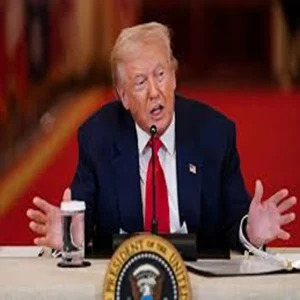
Strategic Waterway Under Global Attention
The Strait of Hormuz, one of the world’s most vital maritime routes for energy transportation, has become a focal point of concern during the conflict. Roughly one-fifth of the global oil supply moves through the narrow passage connecting the Persian Gulf to international waters.
Recent hostilities have significantly disrupted commercial shipping in the area. Several oil tankers have avoided the route due to security risks after reported Iranian drone and missile strikes targeted energy infrastructure across the region. Attacks near the strait have also affected merchant vessels, and the International Maritime Organisation reported that at least seven sailors lost their lives in incidents involving commercial ships.
Despite these tensions, the United States has said that the waterway remains operational and that ships are continuing to pass through the area.
Trump Issues Strong Warning to Iran
In remarks made during a phone interview with CBS News, President Trump said the conflict had already caused extensive damage to Iran’s military capabilities.
He claimed Iranian forces had suffered severe losses in naval strength, communication systems, air power, and drone manufacturing facilities. According to Trump, the country’s missile systems have also been significantly weakened during the ongoing operations.
The US president suggested that the conflict may not continue for long, describing the military campaign as likely to be a short-term engagement.
However, he also issued a clear warning to Tehran, stating that any attempt to block the Strait of Hormuz or carry out additional attacks would trigger a much stronger response from the United States.
Trump later repeated this message on social media, stating that any disruption to global oil shipments through the strait would be met with a response “many times stronger” than the actions already taken by US forces.
US Military Operations Expand
According to information released by the US military, American forces have carried out more than 5,000 strikes on Iranian targets during the first week of the operation. The strikes have reportedly focused on military installations, missile facilities, drone infrastructure, and communication networks.
US officials say the objective of the campaign is to limit Iran’s ability to launch further attacks and to weaken its military capacity in the region.
The ongoing strikes have taken place across multiple strategic locations, including military bases and infrastructure linked to weapons production.
Oil Prices and Markets React to Conflict
The developments have had an immediate impact on global energy markets. Oil prices initially surged to nearly 120 dollars per barrel, marking the highest level since 2022, as traders reacted to fears of supply disruptions from the Gulf region.
However, prices later retreated toward 90 dollars per barrel after signals from Washington suggested the conflict could be limited in duration.
Financial markets in the United States also experienced significant volatility. Major stock indices dropped sharply early in the trading day before recovering later as investors responded to the possibility that the conflict may not escalate further.
Energy supply concerns remain a key factor for global markets because the region is responsible for a major share of the world’s oil and gas exports.
Regional Impact and Civilian Concerns
The ongoing fighting has disrupted daily life across parts of the Middle East. Reports indicate that airstrikes and missile attacks have targeted military bases, government buildings, energy facilities, hotels, and other infrastructure.
In several cities, residents have sought shelter as explosions were reported near strategic installations. The security situation has also prompted many foreign workers and business professionals to leave key commercial hubs in the region.
Governments across the Gulf are closely monitoring the situation due to the potential impact on trade, energy supply, and regional stability.
Diplomatic Efforts Continue
Amid the military confrontation, diplomatic channels remain active. President Trump held a phone conversation with Russian President Vladimir Putin to discuss the conflict and broader regional developments.
According to Russian presidential aide Yuri Ushakov, Putin suggested possible pathways for a rapid political and diplomatic settlement after consultations with Gulf leaders and Iranian President Masoud Pezeshkian.
While no formal negotiations have been announced, international observers say diplomatic efforts may play a key role in preventing further escalation in the region.