Parliament – Heated Lok Sabha Debate Over No-Confidence Motion Against Speaker
Parliament – A sharp exchange unfolded in the Lok Sabha during discussions on a no-confidence motion moved against Speaker Om Birla, with members of the ruling alliance and the Opposition trading accusations over parliamentary conduct and the functioning of the House.
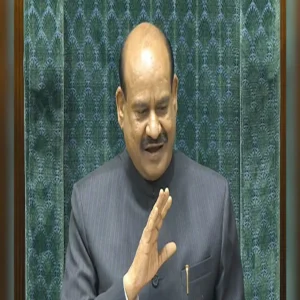
Opposition Raises Concerns Over Speaker’s Conduct
The motion, backed by 118 Opposition Members of Parliament, accuses the Speaker of displaying partiality during proceedings. Opposition leaders argued that the resolution was introduced not as a personal attack on Om Birla but as a step they claim is necessary to protect the dignity and neutrality of the House.
During the debate, Congress MP Gaurav Gogoi stated that several incidents had raised concerns among Opposition members. He cited an instance in February when Rahul Gandhi, the Leader of the Opposition in the Lok Sabha, attempted to speak during the discussion on the motion of thanks to the President’s address.
According to Gogoi, Gandhi was interrupted repeatedly during his remarks. He claimed the interruptions came from the Speaker, members of the chairpersons’ panel, and senior leaders from the treasury benches, which he said prevented the Opposition leader from presenting issues they believed were important for the House and the public.
Reference to Earlier Parliamentary Disruption
Gogoi also referred to an earlier episode involving Rahul Gandhi’s attempt to discuss an unpublished book written by former Army chief General MM Naravane. The Congress leader had sought permission to raise the matter in Parliament.
However, the Speaker did not allow the discussion, leading to protests from several Opposition members. The incident had caused significant disruption in the House at the time.
As Gogoi brought up the issue again during the debate, Parliamentary Affairs Minister Kiren Rijiju intervened to remind members that the discussion was specifically about the motion against the Speaker. He argued that if the Opposition chose to raise unrelated matters, they should also allow the treasury benches to respond without interruptions.
Gogoi’s Remark on Parliamentary Interruptions
Responding to Rijiju’s intervention, Gogoi made a pointed remark about the minister’s role during debates.
He said that when future researchers examine parliamentary transcripts and records, statistics might show that Kiren Rijiju was the Parliamentary Affairs Minister who interrupted the Opposition most frequently during debates.
The comment triggered reactions from the treasury benches and prompted a response from Union Home Minister Amit Shah.
Amit Shah Responds to Opposition Criticism
Instead of Rijiju replying immediately, Amit Shah addressed the comment during the discussion. Shah said that interruptions in parliamentary debates can become necessary when members do not follow established procedures and rules.
Shah also noted that he agreed with Gogoi’s statement in one sense, saying Rijiju may indeed have intervened frequently during proceedings. However, he added that the country had also never witnessed what he described as such an irresponsible Opposition in Parliament.
His remarks were greeted with applause from members of the ruling side.
Government’s Stand on Parliamentary Rules
Later in the debate, Kiren Rijiju presented the government’s position on the issue. Referring to constitutional provisions and the rules governing parliamentary proceedings, he said that the Speaker’s decisions have not been formally challenged within the framework of the House.
Rijiju also addressed remarks made earlier by Rahul Gandhi regarding his right to speak in Parliament. The minister said that although leaders such as the Prime Minister, ministers, and the Leader of the Opposition have significant roles in the House, they must still seek permission from the Speaker before speaking.
He said the rules apply equally to all members and stressed that parliamentary procedures cannot be bypassed.
Rijiju further added that members cannot claim their microphones were switched off if they attempt to speak without following the established process. According to him, disregarding the authority of the Speaker undermines the structure of parliamentary functioning.
Numbers Unlikely to Favour Opposition Motion
Under parliamentary rules, a motion seeking the removal of the Lok Sabha Speaker can succeed only if it receives support from more than half of the House members.
Given the current strength of the ruling alliance in Parliament, the Opposition does not appear to have the numbers required for the motion to pass. Political observers say the move is largely symbolic and aimed at highlighting concerns about parliamentary procedures while sending a broader political message ahead of upcoming state assembly elections.