EnergyCrisis – Modi Urges Unity Amid Middle East Conflict Challenges
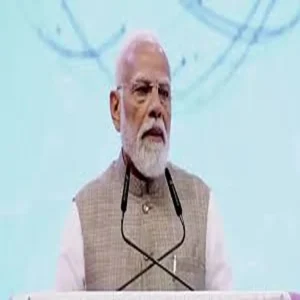
EnergyCrisis – Prime Minister Narendra Modi on Monday addressed the Lok Sabha, drawing comparisons between the COVID-19 pandemic and the ongoing conflict in the Middle East. He cautioned that crises of such scale often create opportunities for unlawful activities like hoarding and black marketing, and called for political unity to handle the situation effectively.
Call for Vigilance During Prolonged Global Uncertainty
Highlighting the potential long-term impact of the conflict, the Prime Minister stressed the importance of preparedness. He reminded lawmakers that India had successfully navigated the pandemic by staying united and disciplined, suggesting a similar approach is necessary now.
He warned that misinformation could spread quickly during uncertain times, urging authorities and citizens alike to remain cautious. State governments were advised to maintain strict oversight and act promptly against any attempts to exploit the situation. Law enforcement and security agencies, including those handling coastal, border, and cyber operations, have been placed on high alert.
Focus on Food Security and Agricultural Stability
Addressing concerns about the possible impact of the conflict on agriculture, the Prime Minister expressed confidence in the country’s preparedness. He noted that India’s farmers have ensured sufficient food reserves, which would help the nation withstand external disruptions.
Efforts are also underway to ensure a smooth harvest during the ongoing kharif season. Referring to past challenges, he said the government has consistently worked to shield farmers from global disruptions, ensuring that agricultural productivity remains stable even during difficult times.
Fertiliser Subsidies and Economic Support Measures
The Prime Minister highlighted the government’s intervention in managing rising fertiliser costs following the pandemic and subsequent global tensions. With international prices soaring, there were concerns about availability and affordability.
To prevent a crisis, the government introduced substantial subsidies. While the global price of urea rose sharply, Indian farmers continued to receive it at significantly lower rates. This, he noted, was made possible through large-scale financial support from the central government, which allocated over Rs 12 lakh crore to maintain affordability and supply stability.
Assistance for Indians in Conflict Zones
Turning to the humanitarian aspect, the Prime Minister assured Parliament that the government is actively supporting Indian citizens affected by the conflict. He acknowledged the loss of lives and injuries reported in the region, stating that affected families are receiving assistance and medical care.
Emergency services are operating continuously both in India and in impacted countries to provide immediate help. Indian diplomatic missions in the Middle East are working around the clock to ensure the safety and well-being of citizens.
He also shared that he had personally spoken with leaders of several West Asian nations, receiving assurances regarding the safety of Indians living in those countries.
Return of Indian Nationals and Broader Implications
According to the Prime Minister, more than three lakh Indian nationals residing in the conflict-affected region have already returned home. He emphasized that the situation presents multiple challenges, including economic pressures, security concerns, and humanitarian issues.
The region holds strategic importance for India, not only due to strong trade relations but also because it supplies a significant share of the country’s crude oil and gas needs. Additionally, nearly one crore Indians live and work in these countries, making stability in the region crucial for India’s broader interests.
Government Preparedness and Public Assurance
Concluding his address, the Prime Minister reaffirmed the government’s commitment to supporting citizens and minimizing the impact of global disruptions. He emphasized that the administration remains alert, responsive, and prepared to take necessary steps to safeguard national interests.
He urged all stakeholders, including political parties and state governments, to work together in addressing the evolving situation, reinforcing the importance of unity in times of global uncertainty.