Israel-Iran Conflict – Preemptive Strike Rocks Tehran Capital
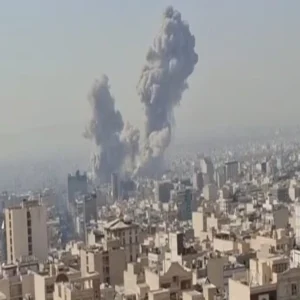
Israel-Iran Conflict – Powerful explosions echoed across Tehran early Saturday, jolting residents awake and marking a sharp escalation in the long-running standoff between Israel and Iran. Israeli authorities later confirmed that their forces had carried out what they described as a preemptive military operation targeting locations in the Iranian capital.
Strikes Reported Near Key Government Sites
According to reports from international news agencies, several of the strikes occurred in areas close to the offices associated with Iran’s Supreme Leader, Ayatollah Ali Khamenei. Reuters cited sources indicating that the 86-year-old leader was not present in Tehran at the time and had been moved to a secure, undisclosed location.
Residents in the northern districts of the city described seeing thick columns of smoke rising into the sky. The affected zone is known for housing significant government institutions, including the presidential complex and the headquarters of the National Security Council. A journalist speaking to NDTV said at least three or four separate explosions could be heard across different parts of the capital.
Iranian officials did not immediately release a detailed assessment of casualties or structural damage. State media acknowledged the blasts but provided limited specifics as authorities assessed the situation.
Israel Cites Security Concerns
Israel’s Defence Minister, Israel Katz, confirmed the operation and framed it as a defensive measure. In a public statement, he said the country had acted to neutralize threats directed at Israel’s security. He emphasized that the decision was based on intelligence assessments indicating immediate risks.
The Israeli government did not elaborate on the precise targets or operational details. However, officials suggested the move was intended to disrupt what they consider advancing military capabilities within Iran.
Escalating Tensions Over Nuclear Programme
The strike follows months of heightened friction tied to Iran’s nuclear and ballistic missile programmes. Western governments, including the United States, have repeatedly expressed concern over Tehran’s enrichment activities and missile development, arguing that they pose regional and global security challenges. Iran, for its part, maintains that its nuclear efforts are for peaceful purposes.
Diplomatic channels had remained active in recent weeks, though without significant progress. Negotiations between Washington and Tehran over the future of Iran’s nuclear programme ended without a concrete agreement. Both sides indicated that additional talks could take place, but no formal schedule was confirmed.
US Position and Military Posture
On the eve of the Israeli operation, US President Donald Trump stated that he had not yet made a final decision regarding potential American military involvement. He described the situation as serious and said that all options, including military action, remained under consideration. The President also indicated dissatisfaction with the pace and outcome of diplomatic discussions.
At the same time, the United States has increased its military presence in the Middle East. Aircraft carriers and additional naval assets have been repositioned across the region, a move viewed by analysts as a precautionary measure amid growing uncertainty.
Earlier, President Trump had given Iranian authorities a limited timeframe—estimated between ten and fifteen days—to reach an understanding regarding the nuclear programme. He warned of significant consequences if negotiations failed to produce results.
Regional Implications
Security experts caution that the latest developments could have far-reaching implications for regional stability. The Middle East has witnessed repeated cycles of escalation between Israel and Iran, often involving proxy forces and covert operations. A direct military exchange between the two nations marks a significant intensification.
As international leaders monitor the situation closely, diplomatic efforts may face additional strain. Governments across Europe and Asia have urged restraint, emphasizing the importance of preventing further conflict in a region already burdened by prolonged instability.
For now, the full impact of the strikes remains unclear. Authorities in both countries are expected to release further statements as more information becomes available.