Immigration – Rubio Warns Visas Will Be Revoked Over Security Risks
Immigration – United States Secretary of State Marco Rubio has once again underlined that entry visas are a privilege granted by the government, not an automatic entitlement. Speaking during a joint press appearance in Budapest alongside Hungarian Prime Minister Viktor Orban, Rubio stressed that Washington will withdraw visas from foreign nationals who are found to be acting against American national interests.
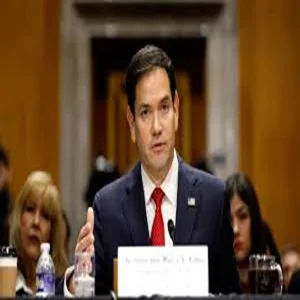
He noted that visa cancellations have already occurred in several instances over the past year, signaling that the administration is prepared to act decisively when concerns arise.
Visa Access Described as Conditional Privilege
Rubio made it clear that holding a visa does not guarantee continued access to the country. He explained that a visa represents official permission to enter the United States temporarily, whether for tourism, study, journalism, or other short-term purposes. However, that permission, he said, can be rescinded if a visitor engages in activities deemed harmful to national security or broader national interests.
According to Rubio, if authorities determine that an individual has taken part in actions contrary to US interests after arriving in the country, officials will not hesitate to cancel that person’s visa. He added that, had there been prior knowledge of such intentions, the visa likely would not have been approved in the first place.
Broad Application Across Visitor Categories
The secretary emphasized that the policy applies across all temporary visa categories. Students enrolled in American universities, tourists exploring the country, and foreign journalists covering events are all subject to the same standards, he said.
Rubio’s remarks suggested that compliance with US laws and respect for national interests are central conditions attached to any visa. He reiterated that there is no constitutional guarantee to obtain or retain a visa, underscoring that the government retains discretion over entry and continued stay.
Suspension of Immigrant Visa Processing
The latest comments follow a recent move by the State Department to suspend immigrant visa approvals for nationals of 75 countries. The department stated that the pause would remain in effect while officials review concerns that migrants from certain nations rely on public welfare programs at rates considered unsustainable.
Countries affected by the suspension include Somalia, Haiti, Iran, Cuba, and Eritrea, among others. The State Department said the measure aims to ensure that future immigrants are financially self-sufficient and do not place undue strain on public resources.
Officials described the suspension as temporary, pending further review and safeguards. The policy has drawn attention both domestically and internationally, particularly from communities with family members awaiting visa decisions.
Legal Challenge Filed in Federal Court
The suspension order has already faced legal scrutiny. Earlier this month, a coalition of immigration advocacy organizations, attorneys, and several US citizens filed a lawsuit in federal court in New York. The plaintiffs argue that the halt on immigrant visa approvals unfairly affects families and exceeds lawful authority.
The lawsuit seeks to overturn the suspension and restore normal processing for applicants from the impacted countries. The case is expected to test the scope of executive power over immigration and visa policy.
Ongoing Debate Over Immigration Policy
Rubio’s statements reflect a broader debate within the United States about immigration enforcement and national security. Supporters of the policy argue that strict oversight is necessary to protect public resources and safeguard the country. Critics, however, contend that sweeping measures risk harming families, students, and professionals with legitimate reasons to travel or settle in the US.
As legal proceedings move forward and diplomatic discussions continue, the future of the visa suspension and broader immigration measures will likely remain under close public and judicial review.