AirCrash – Maharashtra Assembly Pays Tribute to Ajit Pawar
AirCrash – Maharashtra’s political landscape was shaken by the tragic air crash that claimed the life of senior leader Ajit Pawar, prompting heartfelt tributes across party lines. Speaking in the state assembly on Monday, Chief Minister Devendra Fadnavis described Pawar as a leader who possessed all the qualities required to head the state but never had the opportunity to assume the top post.
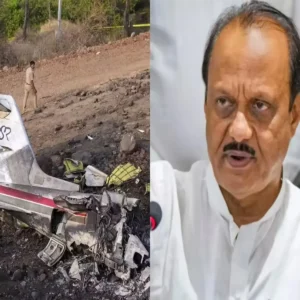
Fadnavis told lawmakers that Maharashtra had lost a capable administrator whose discipline and work ethic set him apart. He remarked that Pawar, known for his strict punctuality, had for the first time “missed his timing,” a reference that underscored the suddenness of the tragedy.
A Reputation Built on Discipline and Efficiency
Recalling their years of working together, Fadnavis said Pawar was typically the first to arrive at Mantralaya and would immediately begin reviewing files. According to him, pending paperwork was never an issue under Pawar’s watch. His approach to governance, the Chief Minister noted, reflected both speed and attention to detail.
Fadnavis added that Pawar valued time deeply and maintained a structured routine. While he himself would often reach meetings shortly after Pawar, and former Chief Minister Eknath Shinde sometimes a little later, Pawar was consistently early.
Former Chief Minister Uddhav Thackeray, who also had Pawar as his deputy, echoed similar sentiments. He described punctuality as Pawar’s defining trait and said he was proactive in raising issues and ensuring swift follow-up once decisions were made.
Service Under Four Chief Ministers
Over the course of his career, Ajit Pawar held the position of Deputy Chief Minister six times, serving under Prithviraj Chavan, Uddhav Thackeray, Eknath Shinde and Devendra Fadnavis. His tenure across different administrations highlighted his enduring presence in Maharashtra politics.
In 2023, Pawar led a rebellion within the Nationalist Congress Party, resulting in a split that created two factions — one under his leadership and the other led by his uncle, Sharad Pawar. The political shift significantly altered the state’s power equations.
The Fatal Baramati Plane Crash
The 66-year-old leader died last month when a chartered aircraft crashed during an attempted landing at Baramati airport. All five people on board, including his security officer, a flight attendant and two pilots, lost their lives in the accident.
Fadnavis recalled that he had spoken with Pawar for nearly 45 minutes during a Cabinet meeting the day before the crash. Initially, when news of the incident broke, he believed it to be minor. The gravity of the situation, he said, became clear only later. He expressed sorrow that their final conversation had taken place just hours before the tragedy.
Leadership Style and Personal Traits
Beyond administrative matters, Fadnavis described Pawar as someone willing to publicly acknowledge mistakes if they occurred. He said such gestures reflected accountability in public life.
He also shared lighter memories, mentioning Pawar’s fondness for milk, which often accompanied them during official travel. While seemingly minor, these recollections painted a picture of a leader remembered not only for political decisions but also for personal habits.
Fadnavis further observed that Pawar had a keen interest in infrastructure and construction quality. Had he not entered politics, the Chief Minister suggested, Pawar might have excelled as a civil engineer. He frequently conducted early inspections and insisted on maintaining high standards in government projects.
In a poignant note, Fadnavis pointed out that the Baramati Medical Hospital — a project in which Pawar had taken particular interest — was where his remains were brought after the crash.
From Cooperative Politics to State Leadership
Born to Anantrao and Ashatai Pawar, Ajit Pawar began his public life through cooperative sector elections, following a path similar to his uncle Sharad Pawar. In 1991, he was elected to the Lok Sabha from Baramati, though he soon vacated the seat to allow his uncle to enter Parliament and serve as Defence Minister in the PV Narasimha Rao government.
Later that year, he won the Baramati Assembly seat, a constituency he continued to represent for more than three decades without defeat. Fadnavis described him as the undisputed leader of Baramati and noted that Sharad Pawar had acknowledged his contributions in his book Lok Maze Sangati.
As tributes continue to pour in, leaders across parties have acknowledged Ajit Pawar’s administrative experience and long-standing influence on Maharashtra politics. His sudden death has left a significant void in the state’s leadership.