NuclearTalks – Netanyahu Seeks Broader Iran Agenda in Washington
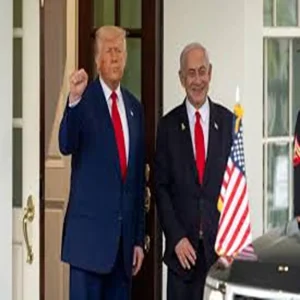
NuclearTalks – Israeli Prime Minister Benjamin Netanyahu is set to arrive in Washington on Tuesday for talks with US President Donald Trump, aiming to widen the scope of ongoing nuclear negotiations with Iran. The visit comes as indirect discussions between Washington and Tehran resume against the backdrop of increased American military deployments in the region.
Push to Expand Negotiation Agenda
For years, Israel has urged the United States and its allies to demand more than limits on Iran’s nuclear activity. Israeli officials want Tehran to halt uranium enrichment altogether, scale back its ballistic missile program, and sever support for armed groups operating across the Middle East. Iran has consistently rejected these broader conditions, maintaining that it will only accept restrictions tied directly to sanctions relief and insists its nuclear work is for peaceful purposes.
Whether recent developments have altered Tehran’s position remains uncertain. Last month’s violent suppression of widespread protests in Iran, coupled with a visible buildup of US military assets in the region, has intensified pressure on Iranian leaders. It is unclear, however, whether these factors have made them more open to compromise or prompted Washington to consider expanding the agenda of already delicate talks.
Military Action Remains a Sensitive Factor
Netanyahu’s trip follows a series of high-level exchanges. Two weeks ago, Trump’s special envoy Steve Witkoff and senior adviser Jared Kushner met the Israeli leader in Jerusalem. Shortly afterward, US representatives held indirect discussions with Iran’s foreign minister in Oman.
Over the weekend, Netanyahu’s office reiterated that any diplomatic effort must also address what it described as Iran’s “axis” of regional allies, including Hamas and Hezbollah. Israel views both groups as direct security threats and argues that negotiations focusing solely on nuclear issues leave critical concerns unresolved.
The possibility of renewed military action is likely to surface during Netanyahu’s meetings. Last year, the United States joined Israel in a 12-day campaign targeting Iranian military and nuclear facilities. While officials in Washington have since emphasized diplomacy, Trump has previously signaled that force remains an option if talks fail.
Concerns Over a Limited Deal
Analysts in Israel caution that Washington could pursue a narrower arrangement, potentially involving a temporary suspension of uranium enrichment. Such a deal might offer short-term diplomatic success but, according to Israeli security experts, would not eliminate long-term risks.
Sima Shine, a former Mossad official now with the Institute for National Security Studies in Tel Aviv, has suggested that Israel fears a scenario in which enrichment is paused for several years without dismantling Iran’s broader nuclear infrastructure or addressing missile capabilities. In that case, Israel might still consider unilateral action if it believes its security is compromised.
Iranian officials have indicated that damage from last year’s strikes temporarily disrupted enrichment activities. However, the full extent of the impact remains unclear. Inspectors from the International Atomic Energy Agency have yet to revisit certain targeted sites, although satellite imagery shows renewed activity at some facilities.
Domestic Political Stakes
Netanyahu’s Washington visit also carries political weight at home. Israel is expected to hold elections later this year, and the prime minister has long highlighted his close relationship with Trump as a diplomatic asset. Demonstrating influence over US policy toward Iran could strengthen his position with voters.
Observers note that the timing of the visit may also have practical implications. Netanyahu had been scheduled to attend the launch of a new US-led initiative later in the month, but moving the trip forward allows him to focus squarely on Iran while avoiding potential sensitivities surrounding other regional actors involved in that effort.
As negotiations advance, decisions in Washington and Tehran could shape the Middle East security landscape for years to come. For Israel, ensuring that its broader concerns are part of any agreement remains a priority. For the United States, balancing diplomatic progress with regional stability presents an ongoing challenge.