Poland Civil Defense: Poland’s Civil Defense Overhaul Amid Rising Regional Tensions
Poland Civil Defense: Poland has launched an ambitious national initiative to significantly strengthen civilian protection as the war in neighboring Ukraine continues to escalate and regional security risks grow. The central focus of this plan is the large-scale expansion and modernization of bomb shelters across the country. Polish authorities have openly acknowledged that civil defense was neglected for many years, creating a serious vulnerability that can no longer be ignored. The new strategy aims to ensure that ordinary citizens are better protected in the event of a military conflict or major security emergency.
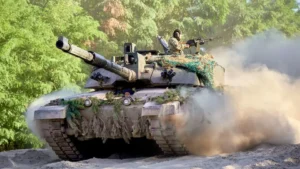
Years of Neglect and a Massive Civil Protection Gap
For decades, Poland concentrated most of its defense spending on military hardware such as tanks, fighter jets, and missile systems. While this approach strengthened the armed forces, it left civilian safety infrastructure underdeveloped. With a population of nearly 38 million people, the country now faces the reality that many existing bomb shelters are outdated, structurally weak, or no longer functional.
Security experts within Poland have described this situation as a critical national challenge. In recent years, the military has been rapidly modernized, but civilian protection systems did not receive similar attention. As a result, Poland is now working against time to close this gap. Officials emphasize that protecting civilians is just as important as strengthening the army, especially in a region experiencing heightened geopolitical uncertainty.
Alarm Raised by Shelter Capacity Audits
Recent audits conducted by emergency and fire services have highlighted the seriousness of the problem. According to these assessments, only around 300,000 people can currently take refuge in high-standard bomb shelters. This figure represents a very small fraction of the population.
Although large public spaces such as metro stations could theoretically accommodate far more people, they often lack the technical upgrades needed to function as fully secure shelters. Issues such as ventilation, reinforced structures, water access, and long-term habitability remain unresolved in many locations. These findings have added urgency to the government’s civil defense reform agenda.
Multi-Billion Dollar Budget and New Legal Framework
To address these shortcomings, the Polish government has allocated a massive budget of approximately 16 billion zloty, equivalent to about 4.46 billion US dollars, for the 2025–2026 period. This funding will be used to renovate old bunkers, construct new shelters, and upgrade public infrastructure so it can serve dual purposes during emergencies.
A new Civil Protection Act, which came into force in 2025, plays a key role in this transformation. Under this law, newly constructed residential and public buildings must include designated shelter spaces. The government has also urged local authorities to rethink spending priorities, stressing that investments in safety infrastructure are now more important than non-essential public projects.
Learning from the Finnish Model of Civil Defense
Poland is drawing inspiration from Finland, a country widely recognized for its advanced civil defense system. In cities such as Helsinki, extensive underground networks serve multiple purposes during peacetime, including gyms and recreational areas, while remaining fully equipped to function as bomb shelters in emergencies.
Polish planners see this approach as both practical and cost-effective. By integrating shelters into everyday urban life, maintenance standards remain high and public awareness increases. This model is now influencing how Polish cities, especially major urban centers, redesign their underground spaces.
Warsaw’s Metro System and Urban Preparedness
The capital city, Warsaw, is already taking concrete steps to align with the new national strategy. Parts of the city’s metro system are being prepared to shelter up to 100,000 people if necessary. These areas are expected to be equipped with essential supplies such as drinking water, beds, and blankets, allowing civilians to remain safe for extended periods.
City officials believe that adapting existing infrastructure is one of the fastest ways to increase shelter capacity. This approach also reduces construction costs while maximizing the use of current public assets.
Long-Term Challenges and Future Readiness
Military analysts and retired defense officials caution that building effective civilian protection systems is a complex and long-term process. Unlike purchasing weapons, civil defense requires careful planning, strict construction standards, and continuous maintenance. Training, public awareness, and coordination between national and local authorities are equally important.
Poland expects that by the time new construction standards are fully implemented in 2026, the country will have a much stronger civilian safety net. Combined with its expanding military capabilities, this renewed focus on civil defense is intended to provide comprehensive protection against evolving security threats.